Author: spf_qmsrjj

  • Season 2025-26 of the Operating PAIF

    Season 2025-26 of the Operating PAIF

    In December of last year, began the twelfth annual operating with the that the partner companies of SPF to protect their forests together.

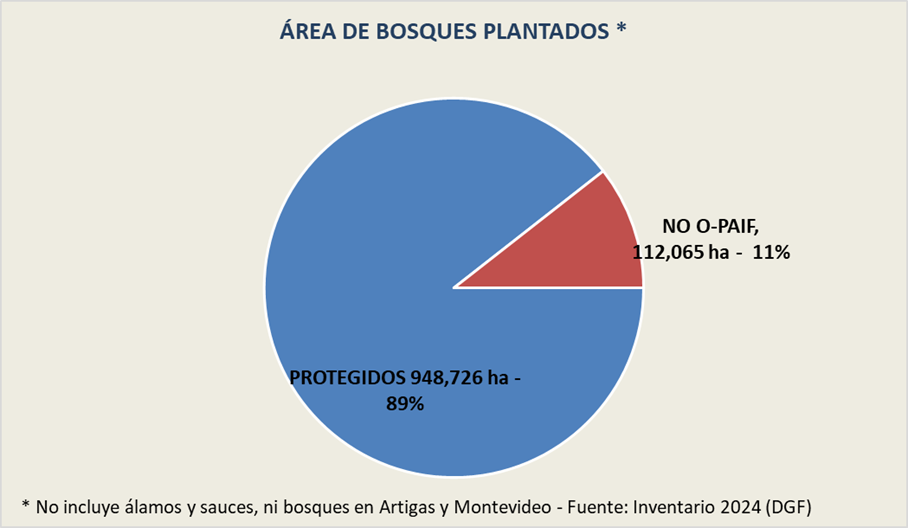
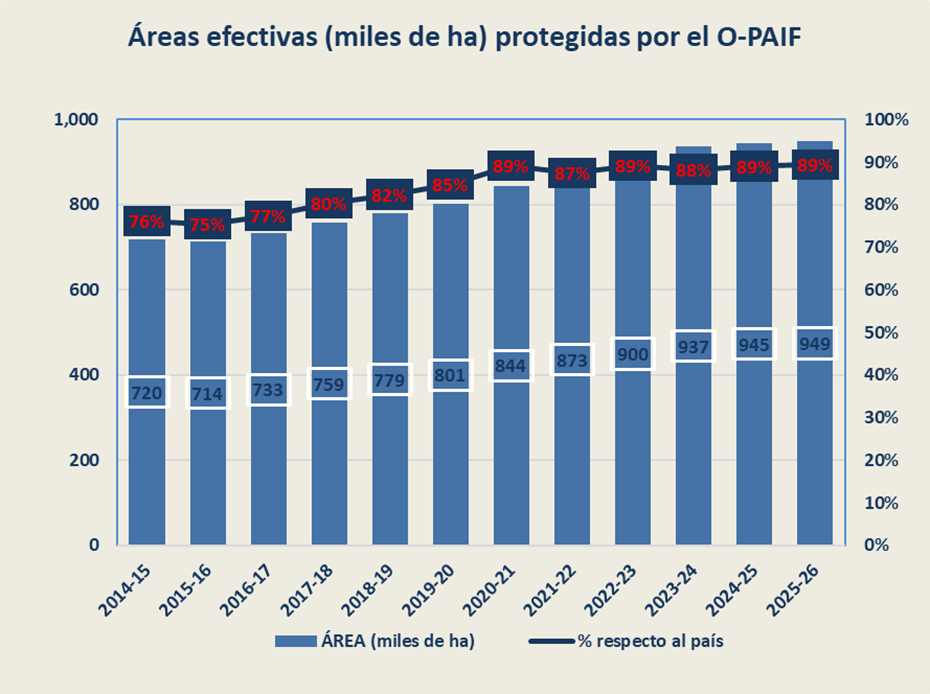
    For this summer, the protected area is 948.726 hectares, distributed in 16 departments and covering 89% of the planted forests.

    How the greatest chance of success to a focus of fire given when the same is small, which occurs in the first moments, it seeks an immediate detection and a response in the shortest possible time, for the events that affect or threaten the more than 3,600 grounds, that voluntarily participate and fund the mechanism.

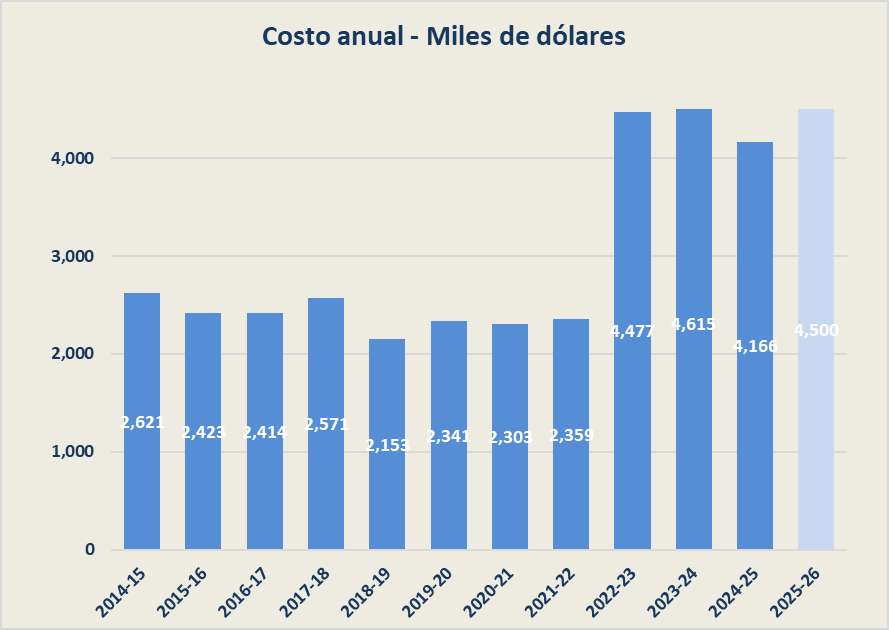
    The annual cost, will reach nearly USD 4.5 million, which will be paid by the companies in proportion to the area they possess.

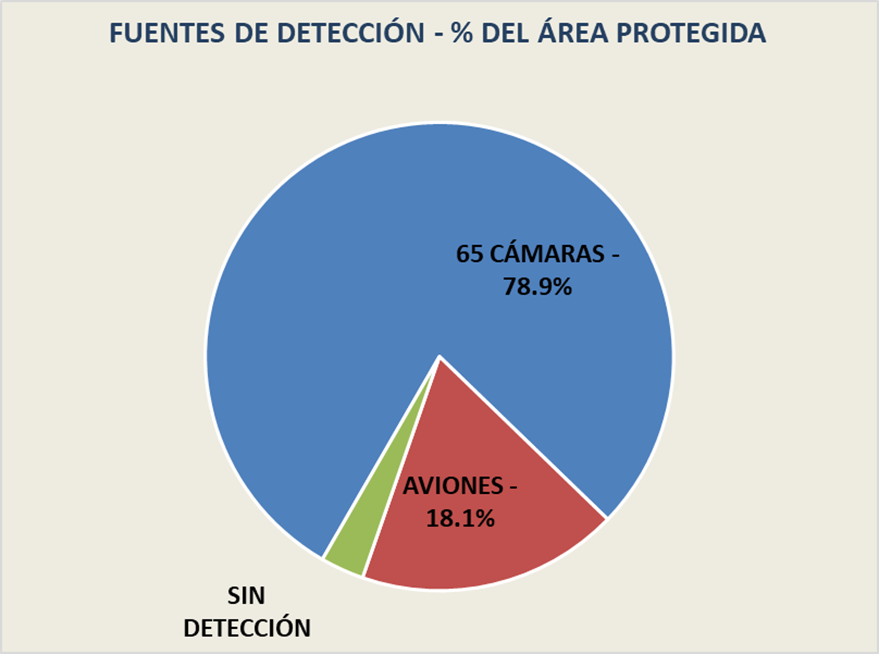
    The foci are detected by various mechanisms, being the main source 65 cameras covering 79% of the protected area, detecting foci of permanent way, based on mechanisms of artificial intelligence, and the planes hired specifically for that task.

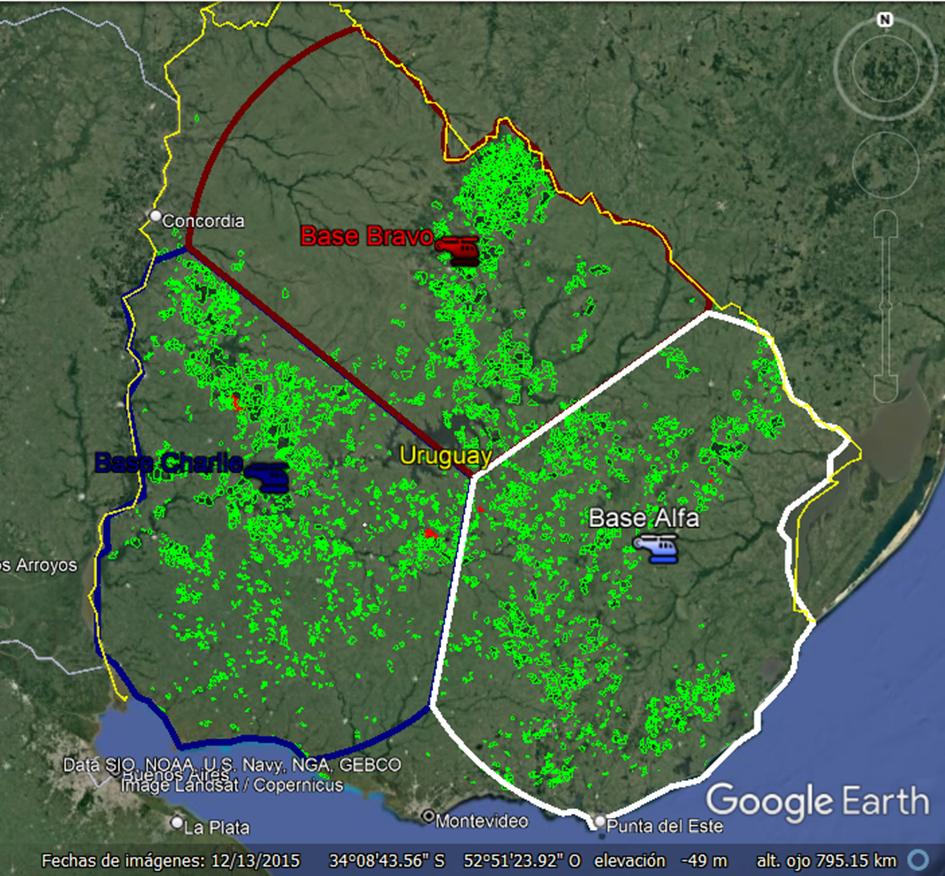
    The mechanism of first response consists of three Brigades Helitransportadas, supplemented in some areas and for some companies (that are hired directly), with four combat aircraft, supported by 3 planes of coordination, operating from 45 groomed slopes and water available.

    The management of both the detection and the response and mobilization of resources, which is done with personal computer systems and means of communication that operate from the Central Monitoring and Dispatch Martin Sosa Days, located in the city of Durazno.

    Logistical problems delayed again the arrival of the helicopters, which are intended to be assets on the first of December, but that had completed the deployment until December 19.

    The atmospheric conditions have been more stringent than the two summers prior, which has been reflected in the number of foci detected as in the quantity of shipments of resources. Just as an example, it is enough to mention that the hours used combat helicopters are at 15/02 almost the same as in the two previous seasons combined.

    As always, the vast majority of the foci originate from outside of the forests, particularly the so-called “fires of roadside”, generated by recreational activities (camping, hunting and fishing), the burning of trash or grass, the fall of overhead power lines and finally the rays, which have become an important source of ignition.

    In addition to communication campaigns that are carried out, it is insisted that you must propenderse to have an attitude of careful and restrictive fire management, respecting the prohibition period of burning, which covers the period from 01 November to 30 April of each year.

    Finally, it should be remembered the necessity of the immediate notice 9-1-1 in the event of detection of any focus, and to the areas and people linked to the forest sector, the shipping WAPP al 098 FOREST (267783), the notice of fire, more location, and other information that it holds.

  • Participation of the SPF in commissions account and aquifers

    The constitutional reform of 2004, and the subsequent Act 18.610 of the year 2009, which establishes the National Water Policy, set out various obligations and spheres of action, within which the different stakeholders involved and/or may participate.

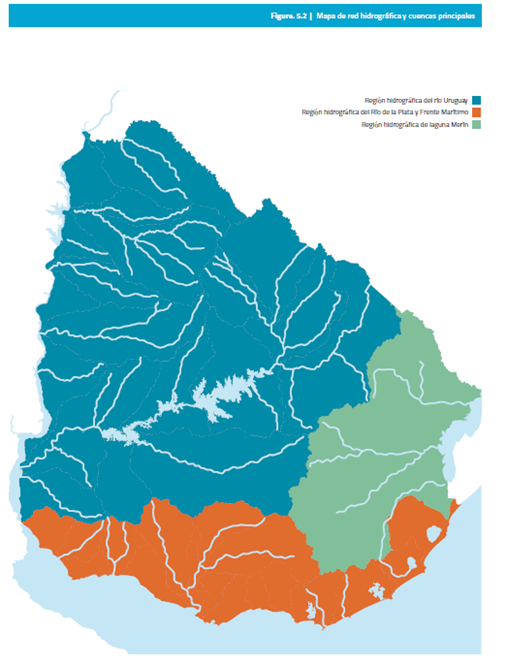
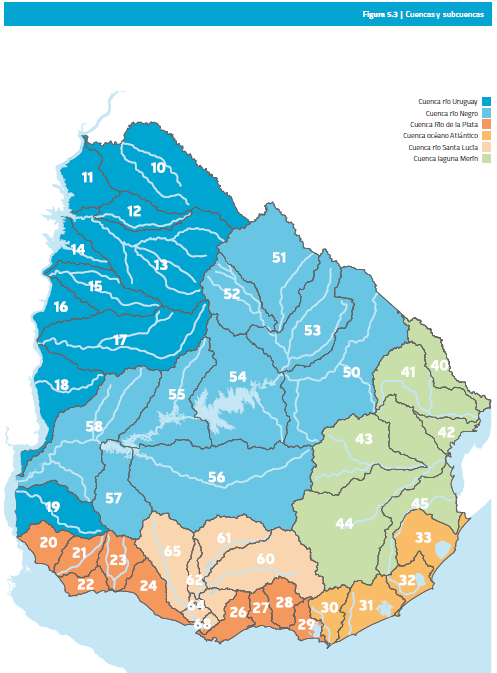
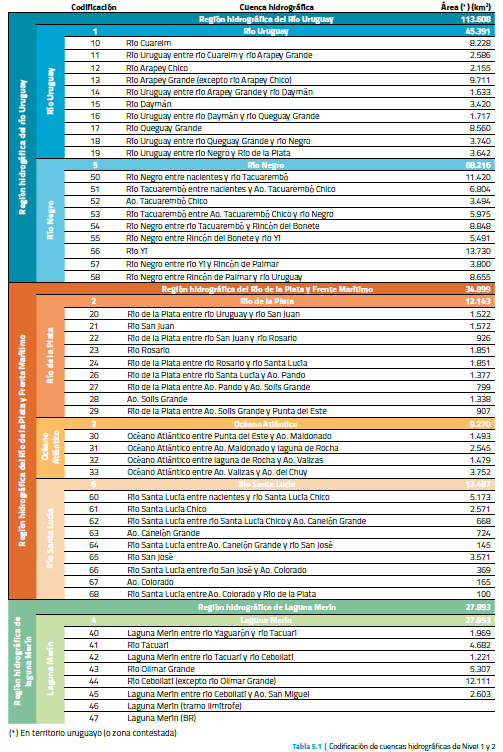
    The National Directorate of Water (DINAGUA), now under the aegis of the Ministry of Environment, is the body in charge of the regency, and for this he has organized treatment of the topic in function of the territorial component, grouping based hydrographic regions, from highest to lowest, within the framework provided by the National Plan of Waters, approved in 2017:

    https://www.gub.uy/ministerio-ambiente/politicas-y-gestion/planes/plan-nacional-aguas.

    The three major groupings are made on the basis of the transboundary basins, and from them, and many times at the request of the users, are created, and they work, or are in the process of creating various Commissions of Basin: https://www.gub.uy/ministerio-ambiente/politicas-y-gestion/comisiones-cuencas-acuiferos.

    Commissions Basin of the Regional Council of Water Resources for the Uruguay river Basin
    or Watershed Commission of the Río Cuareim
    , or Commission of Creek Watershed San Antonio and Aquifer Jump Arapey
    or Commission of River Basin Tacuarembó
    or Commission of River Basin Yí
    or Commission Basin of the Rio San Salvador
    or Commission of the Guarani Aquifer System
    or Watershed Commission of the Black River

    Commissions Basin Regional Council on Resources of Water for the Basin of the Laguna Merín
    or Commission Basin, the Cebollatí River.
    or Commission Basin of rio Taquari

    Commissions Basins of the Regional Council of Water Resources at the Basin of the Río de la Plata and Seafront
    or Commission Basin of the Santa Lucía River
    or Commission Basin of the Lagoon of the Swan
    or Commission Basin of the Laguna del Sauce
    or Commission basin of the arroyo Solís Chico
    or Commission of river basin Rosary
    or Commission basin of Brackish Lagoons Rocha

    Source: DINAGUA – National Plan of Waters

    These Commissions are areas tripartite, in which the State through a number of different agencies involved, the users (category to which we belong), and civil society, to fulfill the role assigned to advise the respective Regional Council with the aim to give sustainability to the management of natural resources and manage the potential conflicts for their use.

    Our guild has maintained a presence in the Committees that have worked in areas where afforestation is developed, fulfilling its role as the representative of the users (forest enterprises). To do this, various members of the staff and technicians designated by the companies have taken such a representation seeking to make their voice heard, in an environment generally hostile to agricultural production in general and the forest in particular.

    The oldest of its performance is the Commission Basin of the Santa Lucía River (CCRSL) Commission Basin of the Santa Lucía River, which runs from the year 2013, and is the one that has more history and a Basin Plan detailed that can be read at: https://www.gub.uy/ministerio-ambiente/comunicacion/publicaciones/plan-cuenca-del-rio-santa-lucia.

    Since our institution, we invite you to partner companies to participate in these spaces, in order to broaden the perspective and knowledge of the particular conditions of each area, calibrating the impact of different management measures may be in the same.

  • SPF year-end meeting, tribute to Martín Sosa Díaz and launch of the Forest Fire Protection Operation

    SPF year-end meeting, tribute to Martín Sosa Díaz and launch of the Forest Fire Protection Operation

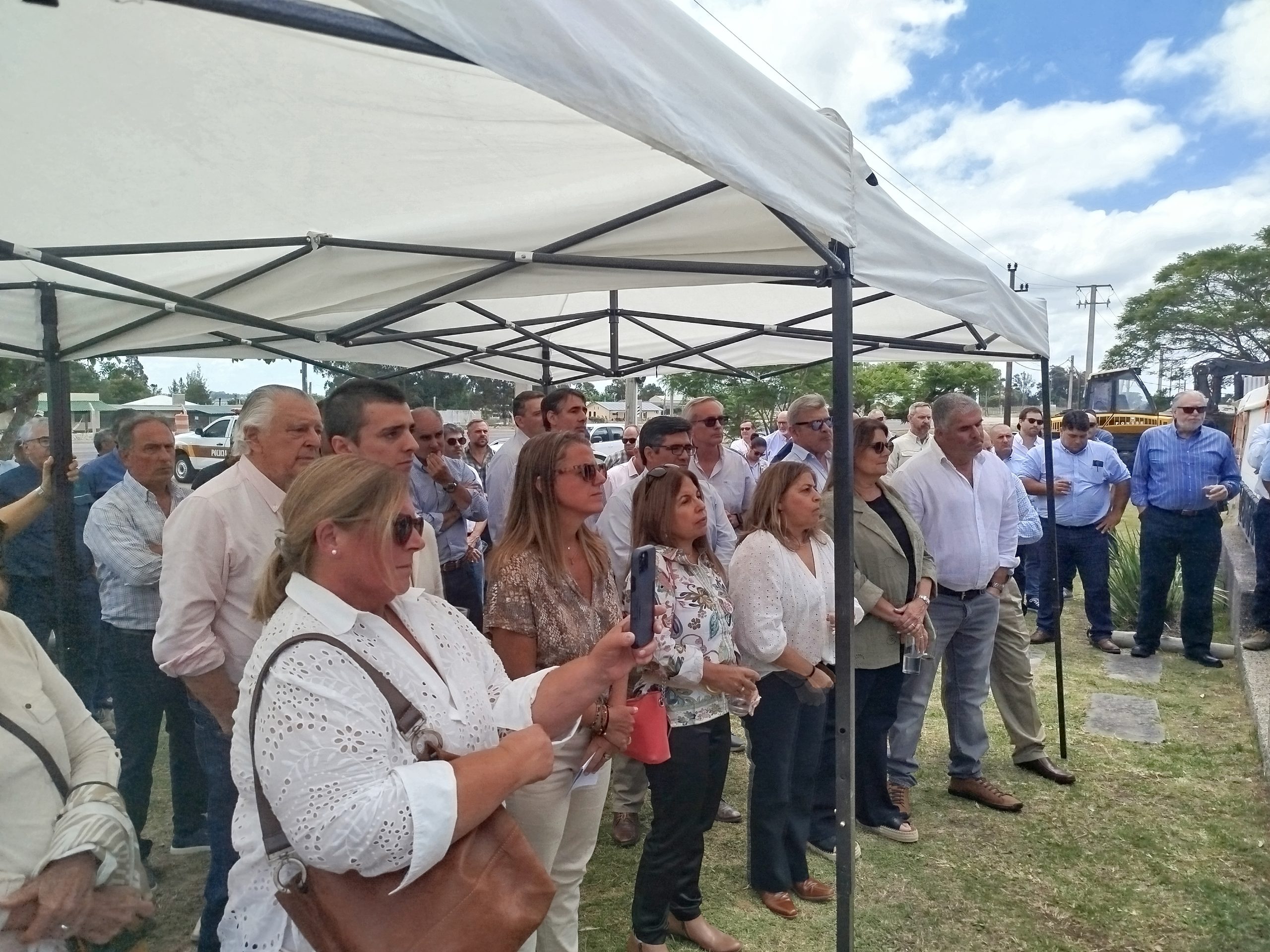
    On December 1st, the year-end meeting of the members of the Forestry Producers Society was held in Durazno, at the new headquarters of the Monitoring and Dispatch Center (CMD). This traditional gathering brought together member companies, suppliers, authorities, and associates from across the country in an atmosphere of camaraderie and reflection on the shared challenges and achievements of the year. The event coincided with the start of the Forest Fire Prevention and Control Operation (O-PAIF) and a tribute to Martín Sosa Díaz, whose name was officially assigned to the CMD.
    FOREST FIRE PROTECTION OPERATION
    As in every summer, the Forest Fire Protection Operation (O-PAIF) began the phase that includes nationwide responses in the protection of planted forests of SPF partners.
    Voluntarily, more than 100 SPF partner companies, which own 90% of the country’s commercially viable forests, agree to, implement and finance a system that protects them, with the three basic actions to prevent fires: prevent, detect and fight.
    This year, that start took place at the new headquarters of the Central Monitoring and Dispatch Center (CMD), in the city of Durazno.
    This new (rented) house allows the unification of the camera detection and management areas in a single environment, ensuring a more agile and precise work, improving dispatch times and making the situational analysis more complete, which defines the actions that, although protocolized, must pass through the filter of human knowledge and intervention.
    A heartfelt tribute was also paid to Martín Sosa Días, after whom the power plant is named.
    Martín paved the way and pushed with conviction and firmness the realization of this joint response mechanism, which distinguishes our country, placing it in a position of reference for the scope and the way in which companies support each other to face a common enemy.
    The speeches, filled with emotion and memories, were given by the president of SPF, Eng. Lucía Basso, the coordinator of the Operation, Rafael Sosa, Eng. Simón Berti, Director of Cambium and Clarissa Brugnini, wife of Martín.
    Following the ceremony, a luncheon was shared, providing an opportunity for the traditional camaraderie gathering of the association’s members and associates, who arrived from different parts of the country.

  • “Stories that take root”: the book that gives voice to the Uruguayan forestry sector

    “Stories that take root”: the book that gives voice to the Uruguayan forestry sector

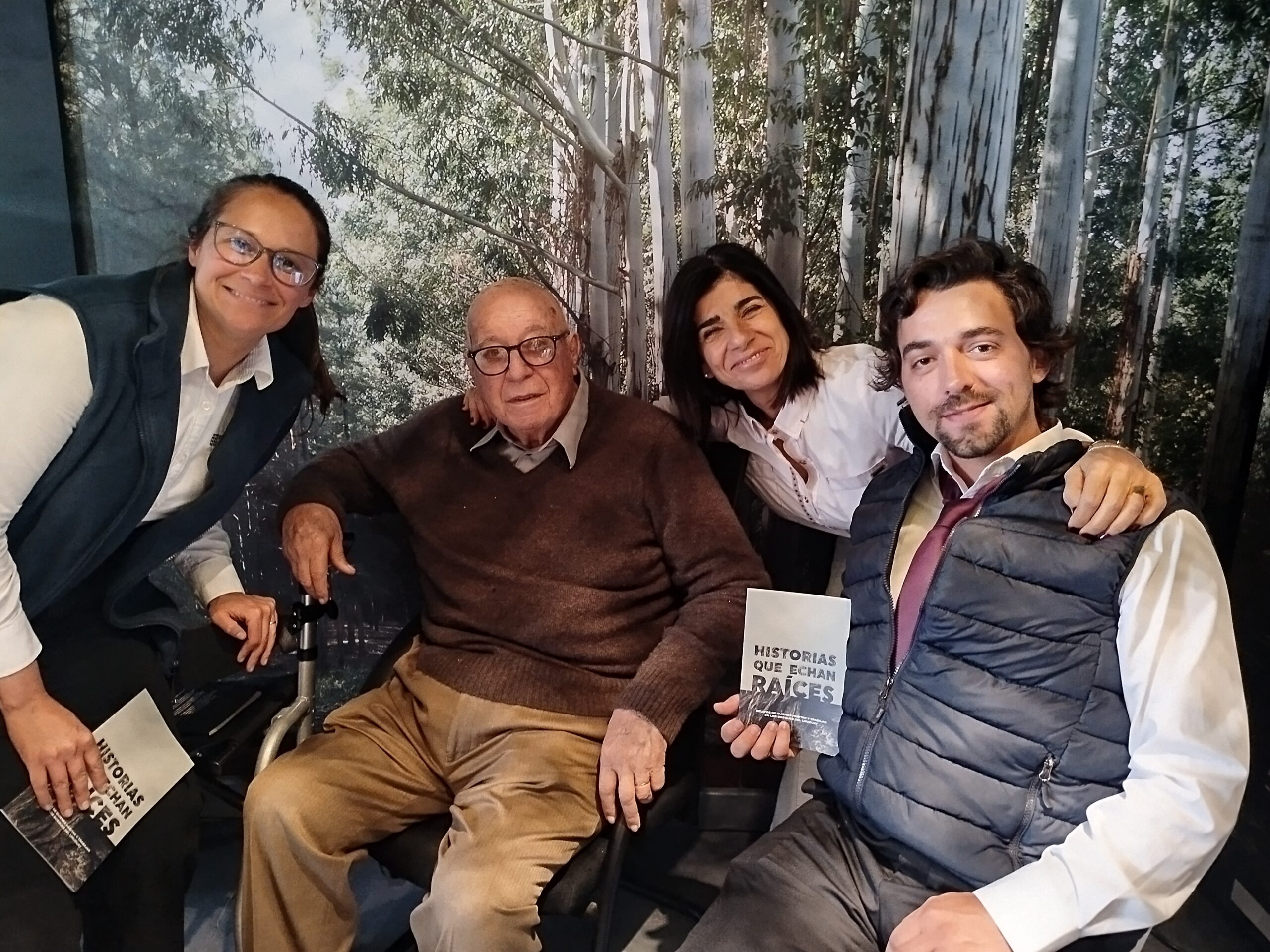
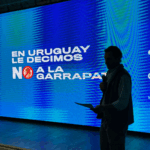
    The Uruguayan Forestry Producers Society (SPF) and PEFC Uruguay officially launched “Stories That Take Root,” a book that compiles 15 true stories of men and women connected to the forestry sector in Uruguay. The launch took place during Expo Prado and included interviews conducted by journalist Yisela Moreira, who spoke with three of the protagonists: Mariana Villemur, Pablo Diano, and Lorenzo Balerio.

    The book originated from the “I Am a Forester” campaign, in which workers submitted their testimonials to share how forestry impacted their lives. The selected stories reflect a diversity of paths and dreams, and include the voices of:

    Sergio González
    Luis Rafael Normey
    Lorenzo Balerio
    Sebastian Arbeletch
    Cristian Darío Aruel López
    Gonzalo La Porta
    Yohana Rodríguez
    Mario Silvera
    Pablo Domínguez
    Gabriela Rodríguez
    Mariana Villemur
    Sabrina Luengo
    Emilia Ferreira
    María del Carmen Portela
    Pablo Diano
    Among the stories highlighted are, for example, that of Sebastián Arbeletch, who started as a driver in the construction of the Montes del Plata plant and, more than a decade later, continues to grow within the company; that of Yohana Rodríguez, who found in forestry an opportunity for professional development in her community; or that of Mario Silvera, who proudly recounts how working in the fields strengthened his family’s well-being.

    The publication was printed on PEFC-certified paper, reaffirming the sector’s commitment to sustainability, and is available free of charge at SPF offices.

    With Stories that Take Root, the Uruguayan forestry sector showcases not only its productive and environmental contribution, but also its human value: faces and experiences that, together with the forests, take root throughout the country.

  • Dissemination Day of the National Plan for the Fight against Ticks

    Dissemination Day of the National Plan for the Fight against Ticks

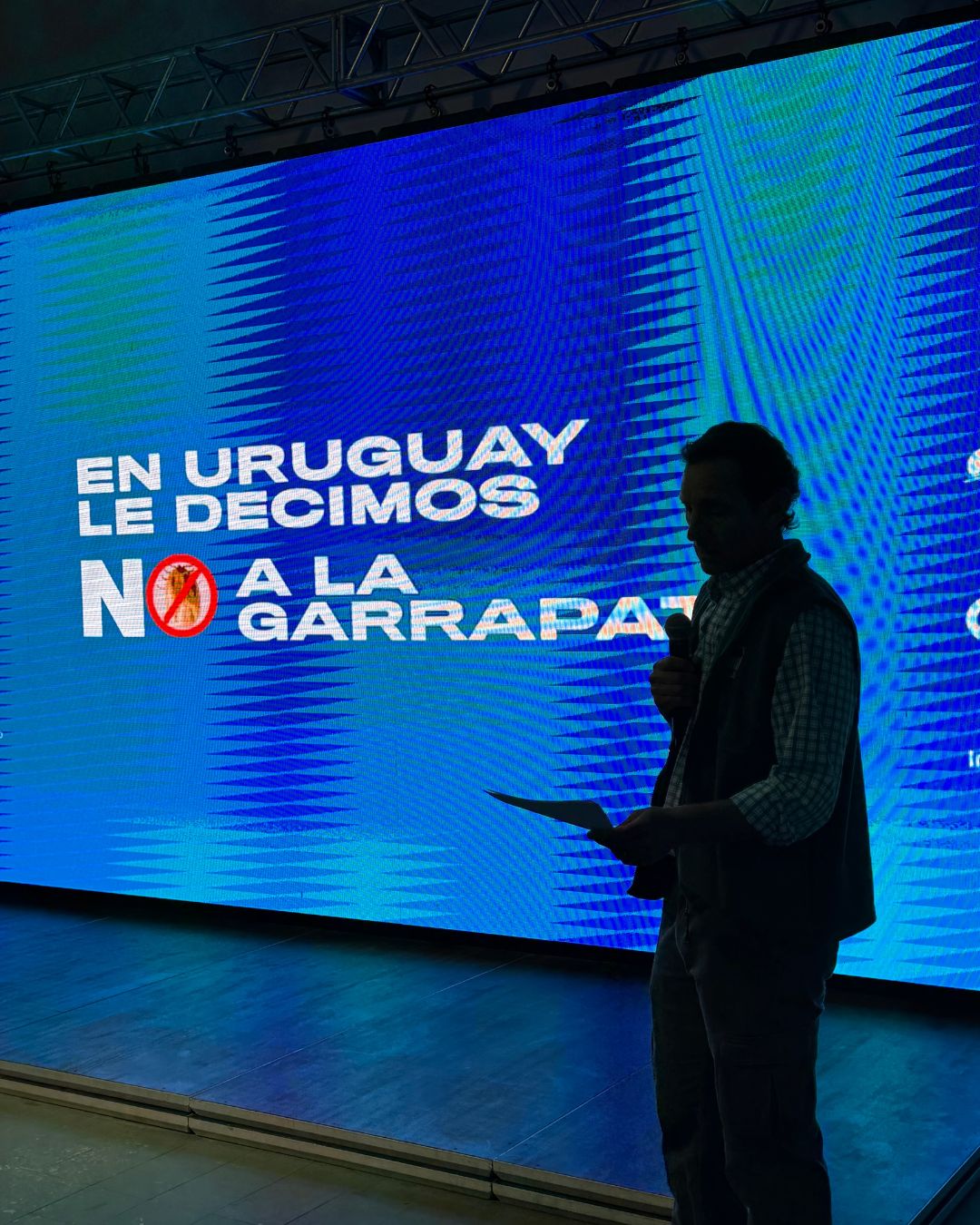
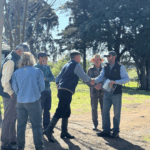
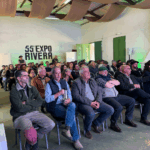
    On Friday, September 12, 2025, a day of dissemination of the National Plan to Combat the Tick was held at the premises of the Rural Development Society of Rivera.

    The activity was organized by the companies COFUSA, Forestal El Arriero, Forestal Oro Verde, Forestal Río de los Pájaros and LUMIN (all members of the Society of Forest Producers), together with the Directorate of Livestock Services, through its Animal Health Division of the Ministry of Livestock, Agriculture and Fisheries, and the Agricultural Planning Institute.

    This initiative arose from the commitment of forestry companies to livestock production on their land, promoting responsible health management that effectively contributes to the fight against ticks.

    The following presentations were given during the day:

    Rafael Carriquiry, a veterinarian and Master of Agricultural Sciences, member of the Agricultural Planning Institute, opened the day with a presentation entitled: “New and old approaches to tick control in livestock breeding systems”.

    Representing the Ministry of Livestock, Agriculture and Fisheries were veterinarians Carlos Fuellis (National Director of Animal Health), Diego de Freitas (Departmental Director of Livestock Services) and Pablo Aramburo (tick expert for the Rivera department), who presented on the current tick situation in the department and detailed the guidelines of the National Tick Control Plan

    Agustín Correa and Matías Machado, graduates in Biochemistry and PhDs in Biological Sciences, researchers at the Pasteur Institute of Montevideo, presented the progress and perspectives of “National development of a vaccine against the cattle tick”.

    Finally, Mr. Nicolás Correa, a livestock producer, shared his experience in tick management, accumulated over 25 years of working with breeding herds on forest properties in the department of Rivera.

    The day concluded with a question and answer session, where participants were able to exchange concerns and clarify doubts about the topics covered.

    It is important to highlight the value of these types of events, which bring together producers, technicians and authorities around a common goal: to move towards healthier and more sustainable livestock farming within forest systems.

    The event was highly successful, with the participation of more than 130 rural producers who carry out their livestock activity on forested properties in the departments of Rivera and Tacuarembó.

  • PAIF Operation end-of-season meeting

    PAIF Operation end-of-season meeting

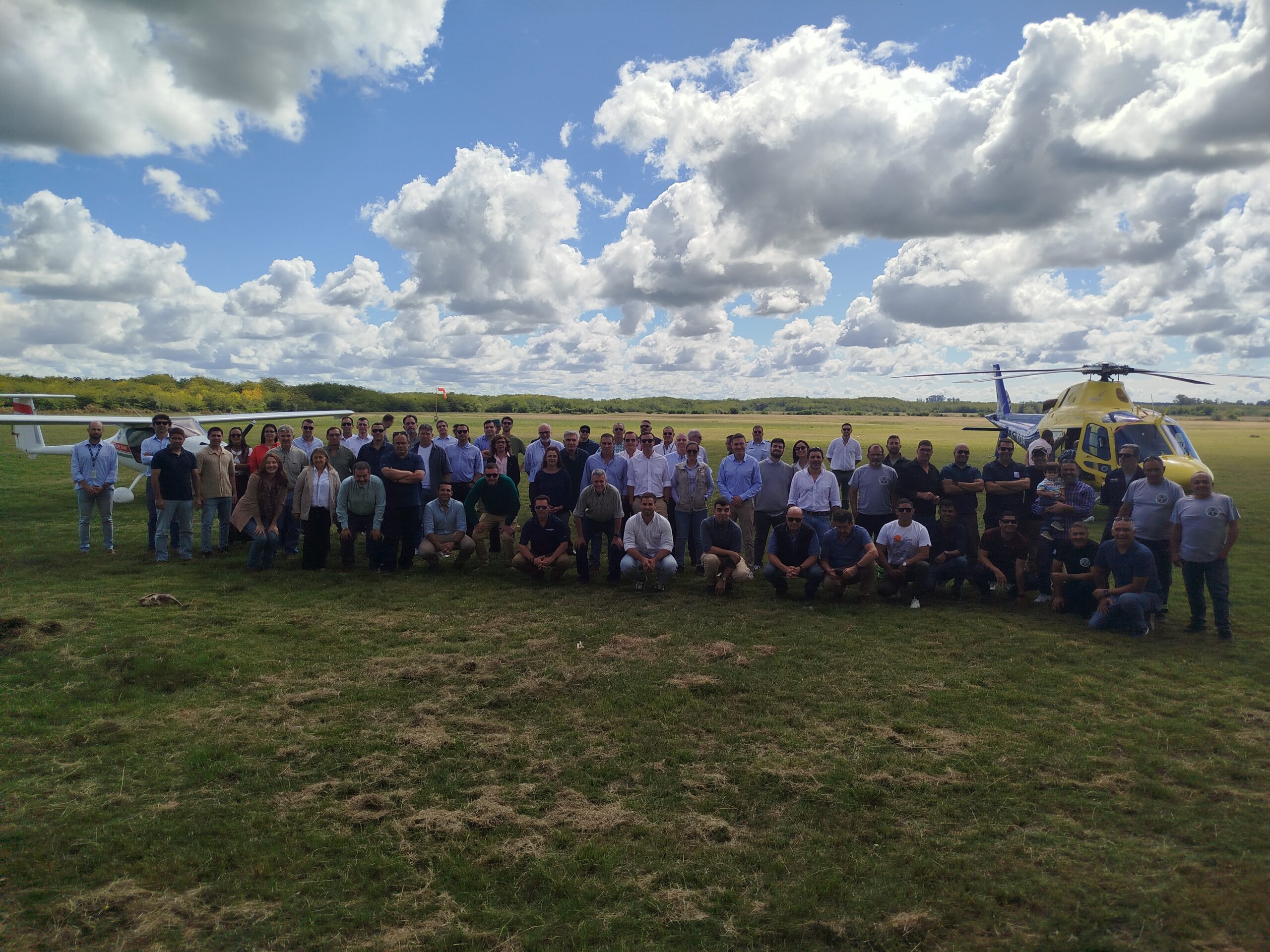
    On April 2nd, at the Aeroclub de Canelones facilities, a new edition of the traditional camaraderie meeting was held, marking the end of each season of Operation O-PIAF.

    The meeting brought together more than 80 people linked to the Operation, consolidating an instance that seeks to recognize the collective effort and strengthen the bonds between those who, many times, work with the same objective without getting to know each other personally.

    Authorities, chiefs and officers from the National Directorate of Firefighters (DNB) and the National Directorate of Civil Aviation and Aeronautical Infrastructure (DINACIA), service providers, forestry producers, representatives of companies with protected properties, coordinators and other key actors of the program participated.

    The day included a relaxed lunch, where experiences, anecdotes, and lessons learned from this and previous seasons were shared. These types of activities help foster team spirit and a sense of belonging among the participants, essential aspects for the success of an operation that, although brief, requires intense collaboration and interaction among all those involved.

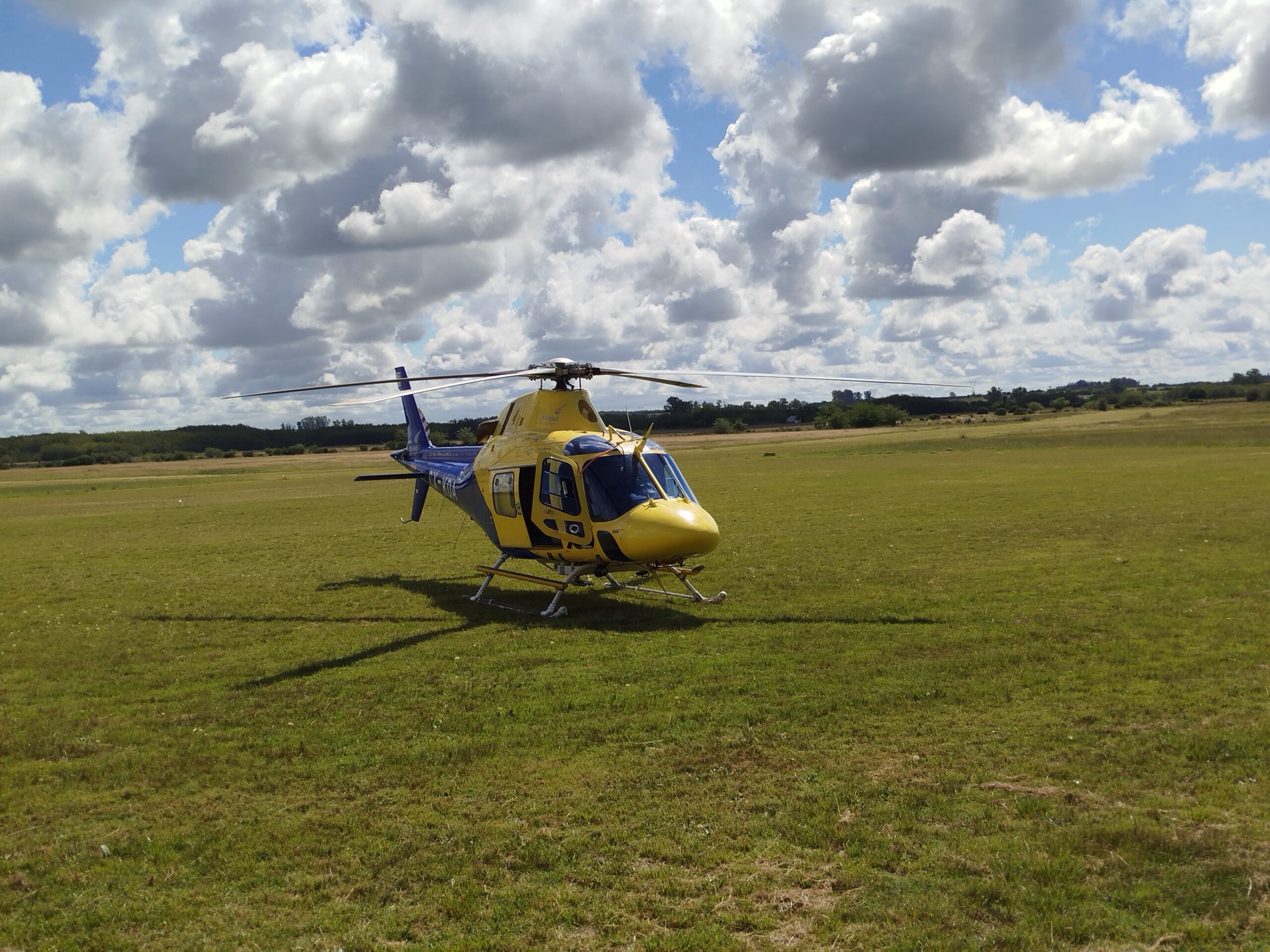
    As part of the event, a helicopter and one of the aircraft dedicated to the early detection of fires were on display. Due to adverse weather conditions in the north of the country, it was not possible to have firefighting aircraft present.

    These types of spaces reinforce the shared commitment to the protection of the national forest heritage and the continuous improvement of the PAIF Operation, whose success depends, to a large extent, on the coordinated work and cooperation between institutions, companies and people.

  • 2024-25 Season of the Forest Fire Protection Operation

    2024-25 Season of the Forest Fire Protection Operation

    In December 2024, the eleventh annual operation began, in which SPF’s partner companies jointly protect their forests.

    This summer, the protected area covers 944,579 hectares, distributed across 16 departments and 3,631 forest properties. This coverage means that 89% of the planted forests have an active fire detection and rapid response system, tools that have proven to be the most effective option for preventing fires when other prevention mechanisms have failed.

    The annual cost will reach almost USD 4,230,000, which will be paid by the companies in proportion to the area they own.

    The hotspots are detected by various mechanisms, the main source being the 65 cameras with artificial intelligence, and the planes hired specifically for that task.

    The first response mechanism consists of the three usual Heliborne Brigades, complemented by some companies with fighter jets deployed mainly in the coastal, central and central-eastern areas of the country.

    The management, both of detection and of the response and mobilization of resources, is done with personnel, computer systems and means of communication that operate from the Monitoring and Dispatch Center (CMD) located in Durazno.

    This summer began after a relatively rainy spring, which meant that the delay in the availability of helicopters compared to the planned start date did not have any consequences in terms of the lack of air combat resources.

    Subsequently, the weather (although there have been some severe days in terms of heat and low relative humidity) has not shown the levels of risk of fire spread that occurred in the summers of 21-22 and 22-23.

    The outbreaks that have been fought so far have been within the “normal” range, and although prevention and the observance of a careful and restrictive attitude towards fire management must be emphasized, they have not generated alarm or out-of-control situations.

    Finally, it should be remembered that there is a need to immediately notify 911 upon detection of any outbreak, and for areas and people linked to the forestry sector, to send the report of the outbreak, plus location and other information that may be available, via WAPP to 098 BOSQUE (267783).

  • Forest Breakfast 2024

    Forest Breakfast 2024

    If forestry advances by 3% in Uruguay, contributions to GDP would grow by US$2.4 billion

    Source: El Observador

    If the forested area in Uruguay were to increase to 9% of the territory, there would be an additional contribution of US$2.4 billion to the GDP, it was highlighted at the 2024 Forestry Breakfast

    If forestry in Uruguay were to advance to 9% of the territory, there would be an additional contribution of US$2.4 billion to the Gross Domestic Product (GDP); US$1.9 billion more from exports; and an extra US$110 million for public coffers, highlighted Lucía Basso, president of the Society of Forest Producers (SPF), at the Forestry Breakfast 2024.

    The comment, which was framed within a sort of exercise he proposed to illustrate the impact of the sector, was made during his welcoming speech at the 6th Forestry Breakfast, held this Tuesday, September 17, at the Radisson Victoria Plaza, in Montevideo.

    Basso, a forestry agronomist, mentioned these data as part of a set of additional achievements beyond the current ones that would be established with an increase in the forested area, and she did not only allude to economic benefits, as will be detailed later.

    “Towards the future of forestry” He pointed out, in this regard, that to sustain what has been achieved and grow it is essential to consider three aspects: “That the rules are clear, consistent, non-discretionary and based on objective technical criteria; “streamline the times and prevent bureaucracy from becoming an obstacle”; and “continue improving our infrastructure.”

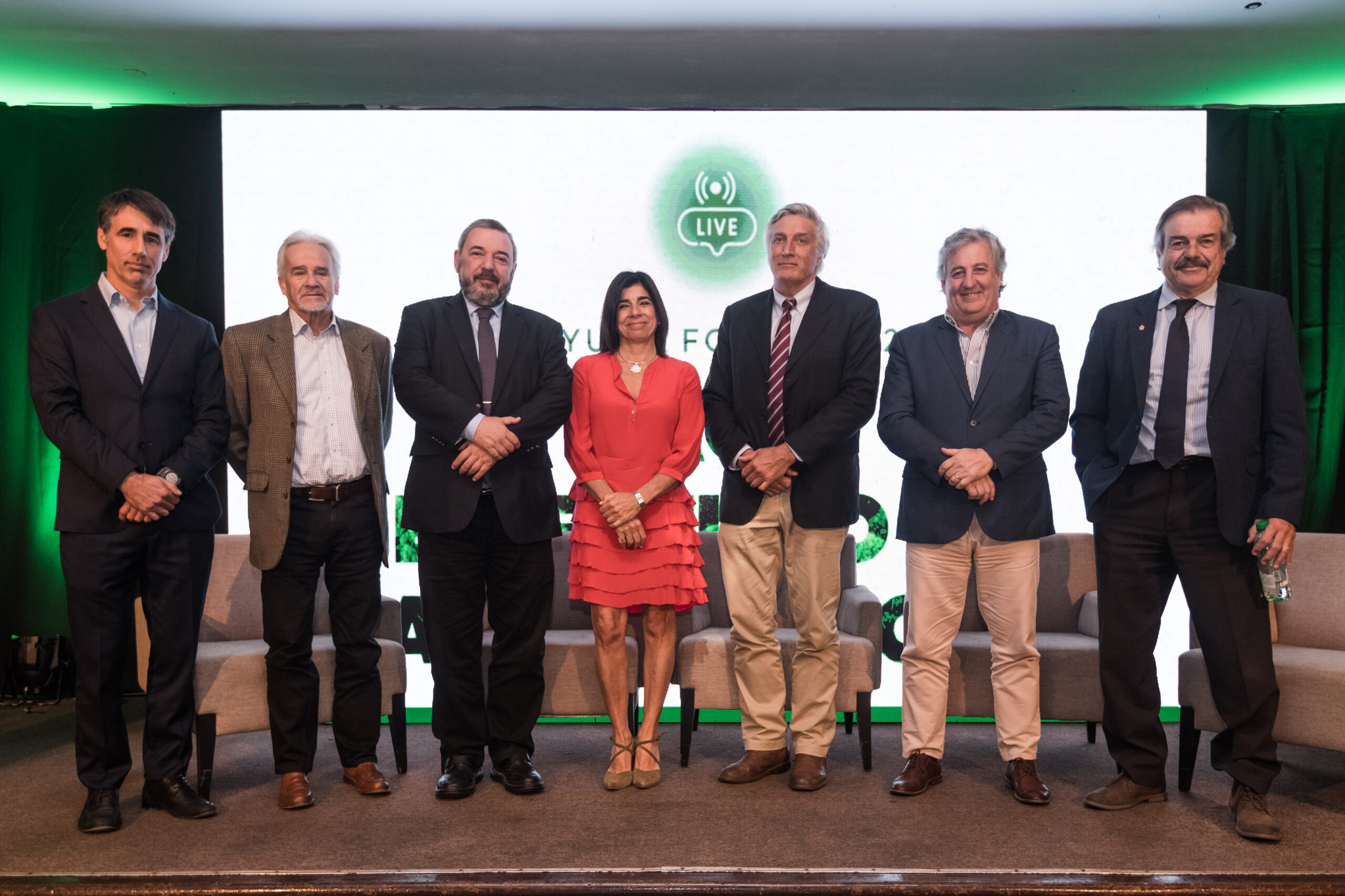
    The 2024 Forestry Breakfast was titled “Towards the future of forestry” and its distinctive feature was the presence and presentation of the agricultural advisors of the political parties with parliamentary representation who will participate in the October elections: Conrado Ferber, for the National Party; Carlos María Uriarte, for the Colorado Party; Mario Bergara, for the Broad Front; Gonzalo Brum, for Open Cabildo; and Carlos Sammarco, for the Independent Party.

    Also participating was economist Ignacio Munyo, executive director of the Center for Studies of Economic and Social Reality (Ceres), who updated the data from a study on the evolution of the sector, from the 1980s, when the Forestry Law was established, to the present.

    Incidentally, the value of the Forestry Law and the relevance of the State policy sustained during the eight consecutive governments since the resumption of democracy in Uruguay were aspects praised by Basso, who stated that the forestry sector “is positioning itself as the main exporter of goods in Uruguay”, with a firm course towards US$ 3 billion a year.

    “More than 30,000 people and 1,800 SMEs across the territory work professionally, with commitment and with true passion for what they do,” he emphasized.

    Leading sector in exports After Basso’s presentation, economist Munyo, in the conclusions of the updated Ceres study on the forestry sector, stated that it is already the main export sector of goods.

    They brought in US$2.761 billion in the last 12 months, up to August 2024, 22.2% of the total and ahead of beef and meat by-products – with US$2.542 billion and 20.5% of the total – he reported.

    He added that there are, in that sense, additional opportunities for expansion, especially in the solid wood segment, with a high impact on the economy.

    Regarding sustainability, the CEO of Ceres said that there are advantages to coexisting with livestock farming, multiple examples of circular economy, and international regulations and certifications that ensure sustainable practices.

    Regarding tax contributions, he noted that currently, throughout the entire production chain, forestry for the production of cellulose and sawmills, together with dairy farming, are the sectors that pay the most taxes in relation to the hectares allocated to production.

    Finally, when considering the challenges, he stated that there are challenges due to automation, which requires continuous training and specialization of human capital, as well as the incorporation of technology and problems of competitiveness and port tariffs.

    One fact highlighted by Munyo, who even mentioned that the plaque was ideal to leave visible throughout the day, was the sector’s participation in GDP, which in Uruguay was barely perceptible -0.2%- in 1994 and far from the then 4.5% of a benchmark like Sweden, data that today are at 3.5% for Uruguay and 3.1% for Sweden, while Argentina, for example, remains at 0.1% despite the passage of some 30 years.

    This, he emphasized, was made possible by long-term public policies and tax incentives at the outset; institutional stability over time; security and confidence to attract investment; and the participation, precisely, of recognized international investors.

    Basso: a “totally positive” assessment. When asked by El Observador about the activity carried out, Basso expressed that “the assessment is totally positive, it was an objective achieved for us.”

    He explained that the SPF was “very” interested in having representatives from all political parties attend “and so it was, it was difficult but it was achieved.”

    The importance was based on “providing them with first-hand, up-to-date information on all issues in the sector and allowing them to express their views and proposals.”

    “All of that was fulfilled and fulfilled well. We saw that in general they were very well prepared and they provided us with input that, for us as a sector, as a society, as a trade association, is very useful,” he stated.

    She noted that there were comments related to the three points she cited in her speech – clear rules, bureaucratic delays, and infrastructure – that either reaffirmed what the SPF maintains or provided constructive elements to be considered “when continuing to work on and improve these crucial challenges that, as we mentioned, lie ahead.”

    On the other hand, regarding Munyo’s presentation, the president of the SPF commented that “as he himself said, this work was based on real data, not on estimates as on the previous occasion, and from the first graph he was very illustrative, he really showed where the sector stands, why it is the leading sector of the economy, what its growth has been based on, its prospects, for example he clearly illustrated the issue of the tax burden which, as you know, is something that is always being blamed on us and with this work the truth was shown, with the numbers from the DGI, so that’s how it is.”

    In short, Basso concluded, “the outcome of this Forestry Breakfast is very positive; we obtained very good input and at the same time made a good contribution to the political system in preparation for the next government. Very good information was provided to the agricultural advisors of the presidential candidates, and we are very happy and very grateful for the support we received.”
  • Omar Urioste (1930 – 2024)

    Omar Urioste (1930 – 2024)

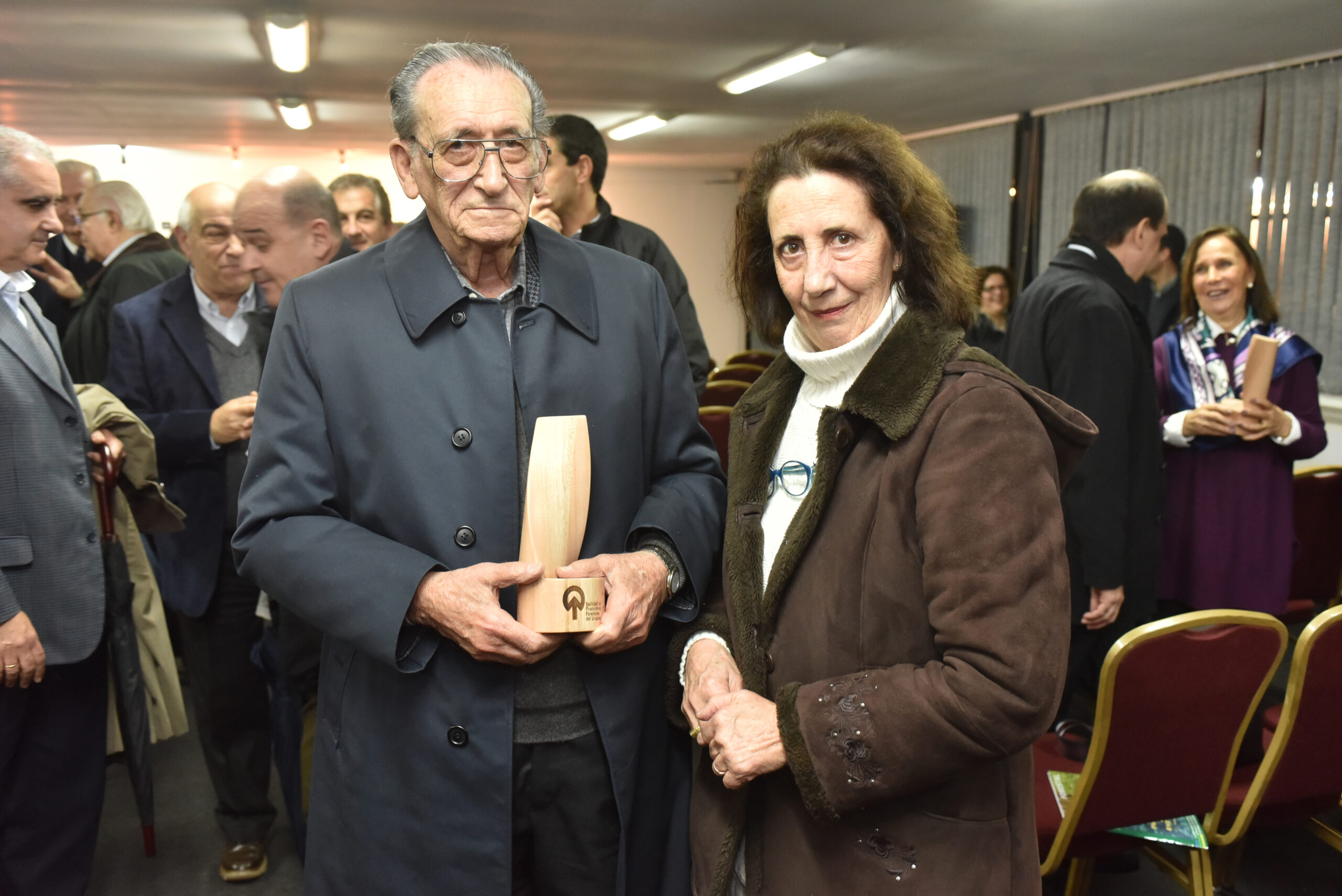
    Following the recent passing of Omar Urioste on August 12th, the Forest Producers Society wishes to remember him with these words from Agricultural Forestry Engineer Rosario Linares Silveira, a member of the SPF Fiscal Commission.

    I met Mr. Omar Urioste in the late 1980s. At that time, he was one of the few Uruguayans with experience in forestry. He planted trees on his property from a very young age alongside his father as windbreaks for the cattle, and, starting in 1975, he began planting trees with the aim of producing timber.

    When Uruguay was just beginning to consider that forestry production could be a way to improve the yield of our lands, Mr. Omar Urioste already knew, through his work, the possibilities of forest sites and how the tree species he managed developed in those sites.

    I was fortunate to work on research projects that he sponsored, putting his forests and his experience at their service; thus, valuable foreign technicians such as Evan D. Shield and Roderick Hansen visited him and shared with him instances of great importance for the forestry progress of Uruguay.

     I started working with him in the 1990s and continued to do so until this date, when with great regret we have to say goodbye to him.

    He was one of the most generous people I’ve met throughout my professional career when it came to sharing his knowledge and experience. He was always willing to listen to new theories, and if they seemed logical to him, he would put them into practice, but never without first discussing them and convincing himself of their applicability.

    As his Forestry Engineer for the past few years, he left my field visits entirely in my hands, but upon my return, the report had to be in writing, and after he had read it, I had to defend it at his desk. I’m not exaggerating when I say that I already miss our forestry meetings in his office, which were always filled with experiences and anecdotes about forestry, agricultural and livestock production, and the country’s political life.

  • First Summit on Climate Change and Forest Fires

    On Thursday, June 26 and Friday, June 27, the conference on climate change and forest fires was held in the city of ITU, State of São Paulo, Brazil, in which specialists from different countries and international organizations in this problem, presented and debated the perspectives, ways of facing the problem and technology available and applicable to these purposes.

    Exhibitors and members of the public representing public and private sectors, plus members of academia, spoke about fire prevention and fighting, focusing on the predisposing conditions, causes and the consequences that they bring to people, infrastructure, production and the environment.

    While the realities in each country are different, as a consequence of what has been termed climate change, it is generally believed that wildfires will become increasingly larger and more devastating, even if their number may decrease. Fires occurring in the rural-urban interface are of growing concern due to the widespread trend of living in or near forests, which increases the risks if fuel is not properly managed.

    Regarding the causes, the human factor continues to be at the top of the list, followed by lightning strikes and power transmission lines.

    The importance of collaboration between the public and private sectors was emphasized, and although their priorities may differ, the work must focus on early detection and immediate response, with personnel specialized in their specific tasks. The need to consider political, physical (response), and financial aspects to achieve success was also stressed.

    On the other hand, the need for institutional strengthening was highlighted, so that the response does not depend on political vicissitudes.

    Different systems for detecting and managing outbreaks were presented, with the response being mostly public, especially in European countries, although the case of Portugal stands out, where some companies have generated a mechanism similar to O-PAIF, which is integrated into the national response system, with similar powers and coverage.

    Regarding the comparison with private initiatives, the two companies that presented their protection systems very briefly (Suzano and Eldorado) use detection and combat systems very similar to that of O-PAIF, with the adaptations that each reality requires.

    Contacts were maintained with speakers and participants, in which aspects of interest to our country were explored in depth.

    The meeting’s program included a visit to the Guarany company factory, a supplier of firefighting equipment and equipment used in other forestry tasks, plus a short course on fire cause investigation, taught at the same site.

    From Uruguay, the meeting was attended by the coordinator of O-PAIF, two technicians from Montes del Plata closely related to it, four officers from the DNB, and a representative of the aforementioned supplier.