Category: PAIF Operation

  • Season 2025-26 of the Operating PAIF

    Season 2025-26 of the Operating PAIF

    In December of last year, began the twelfth annual operating with the that the partner companies of SPF to protect their forests together.

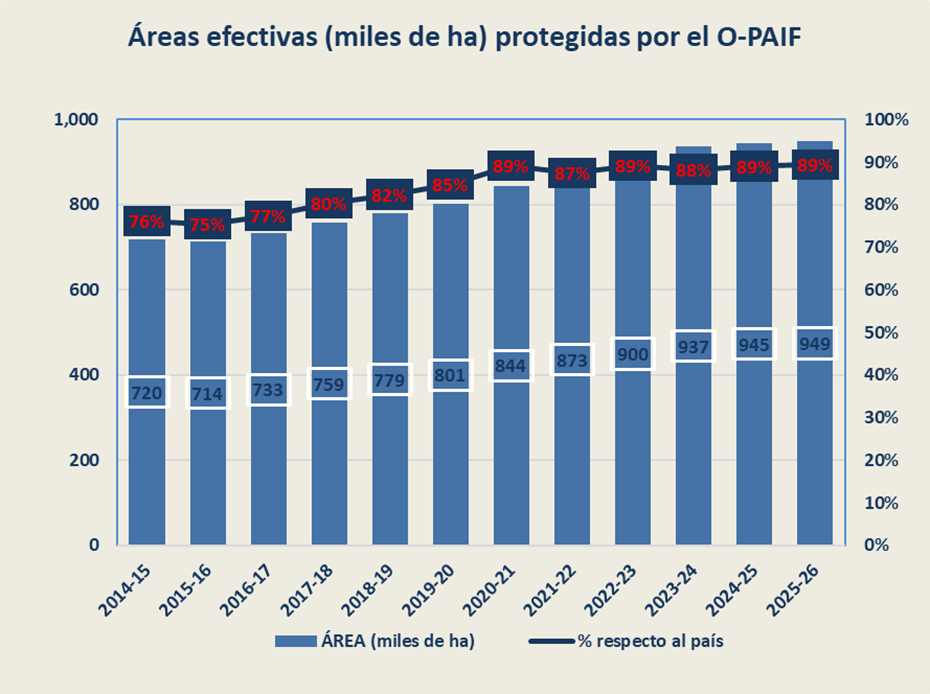
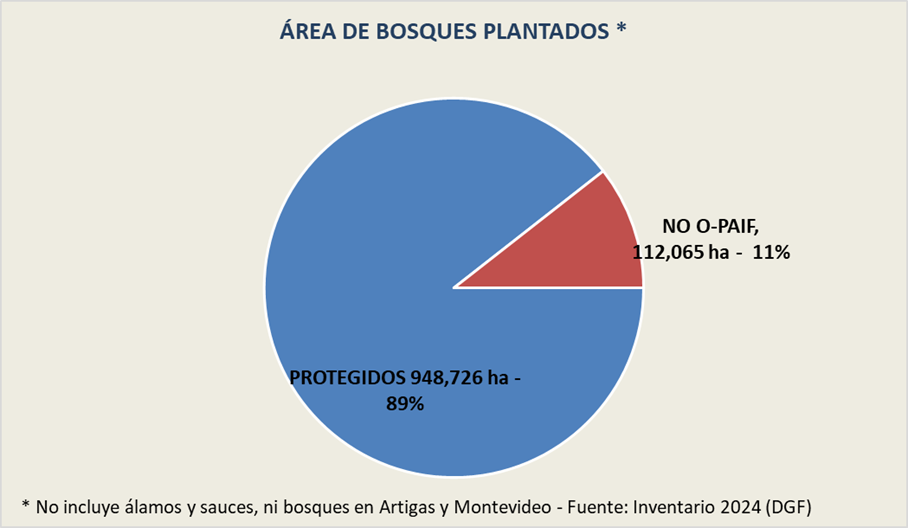
    For this summer, the protected area is 948.726 hectares, distributed in 16 departments and covering 89% of the planted forests.

    How the greatest chance of success to a focus of fire given when the same is small, which occurs in the first moments, it seeks an immediate detection and a response in the shortest possible time, for the events that affect or threaten the more than 3,600 grounds, that voluntarily participate and fund the mechanism.
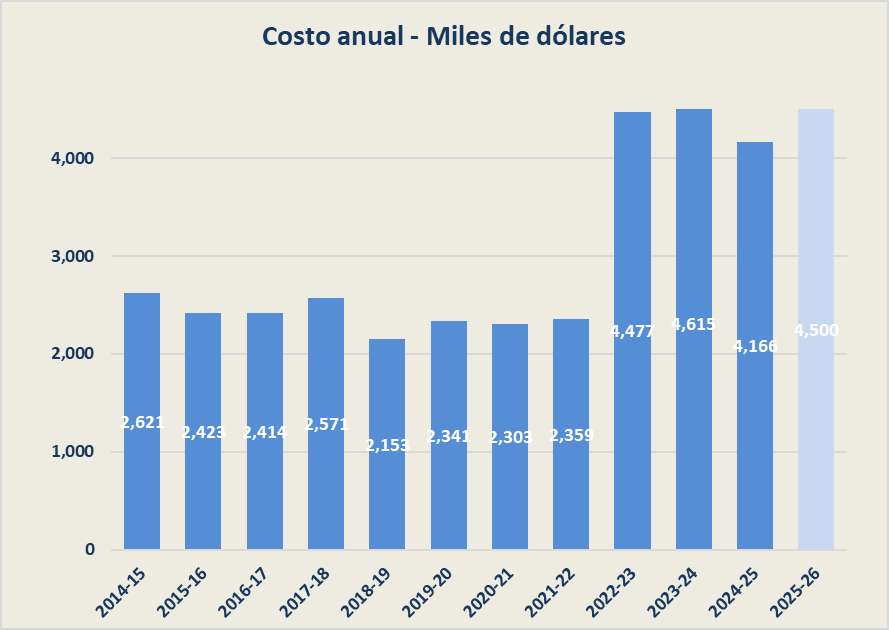
    The annual cost, will reach nearly USD 4.5 million, which will be paid by the companies in proportion to the area they possess.
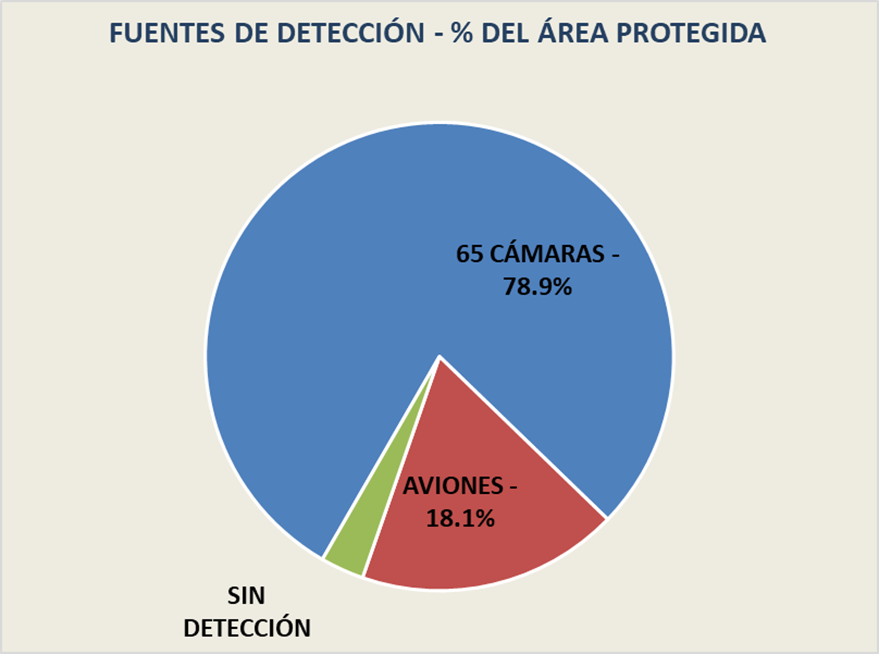
    The foci are detected by various mechanisms, being the main source 65 cameras covering 79% of the protected area, detecting foci of permanent way, based on mechanisms of artificial intelligence, and the planes hired specifically for that task.
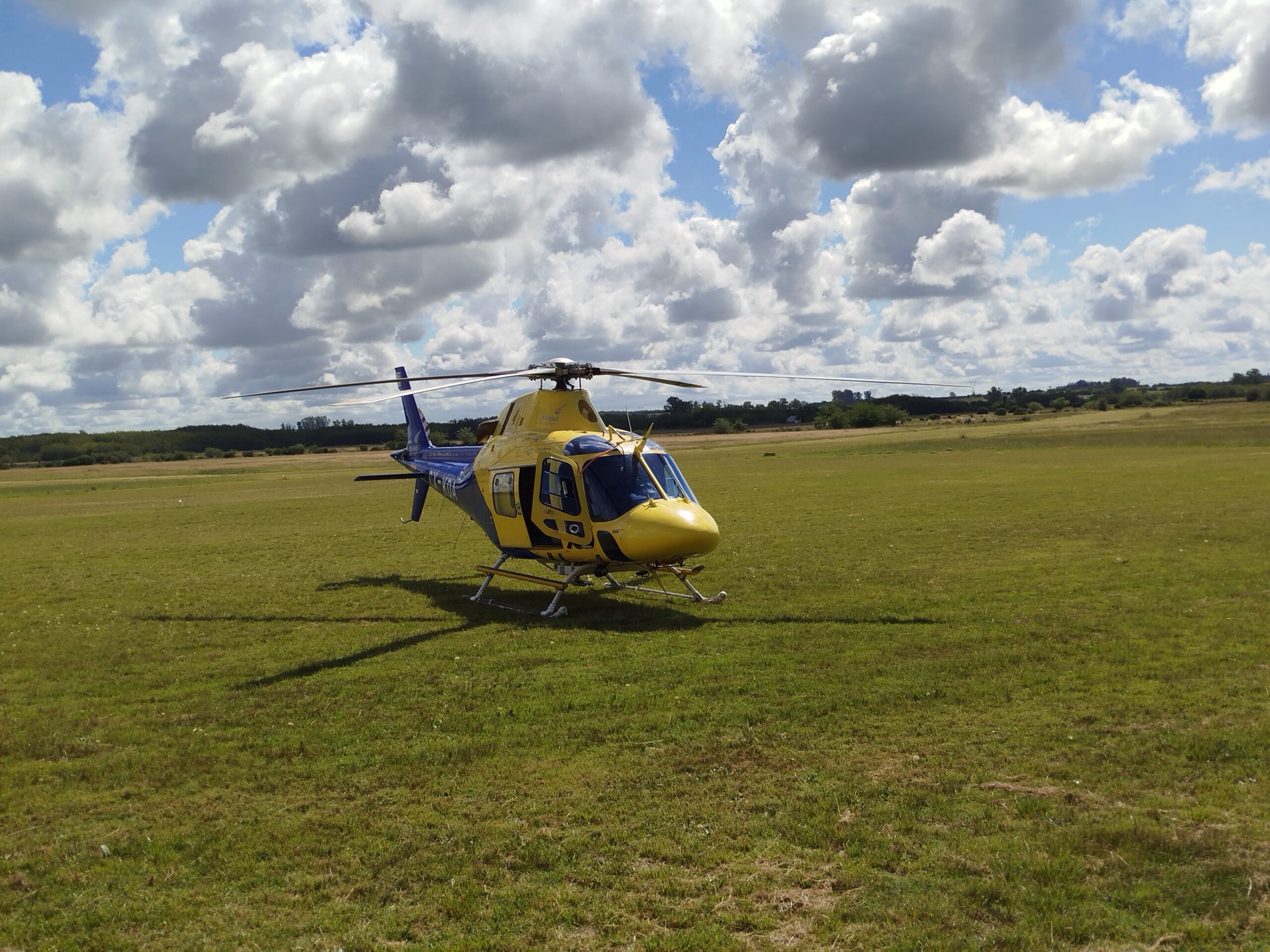
    The mechanism of first response consists of three Brigades Helitransportadas, supplemented in some areas and for some companies (that are hired directly), with four combat aircraft, supported by 3 planes of coordination, operating from 45 groomed slopes and water available.
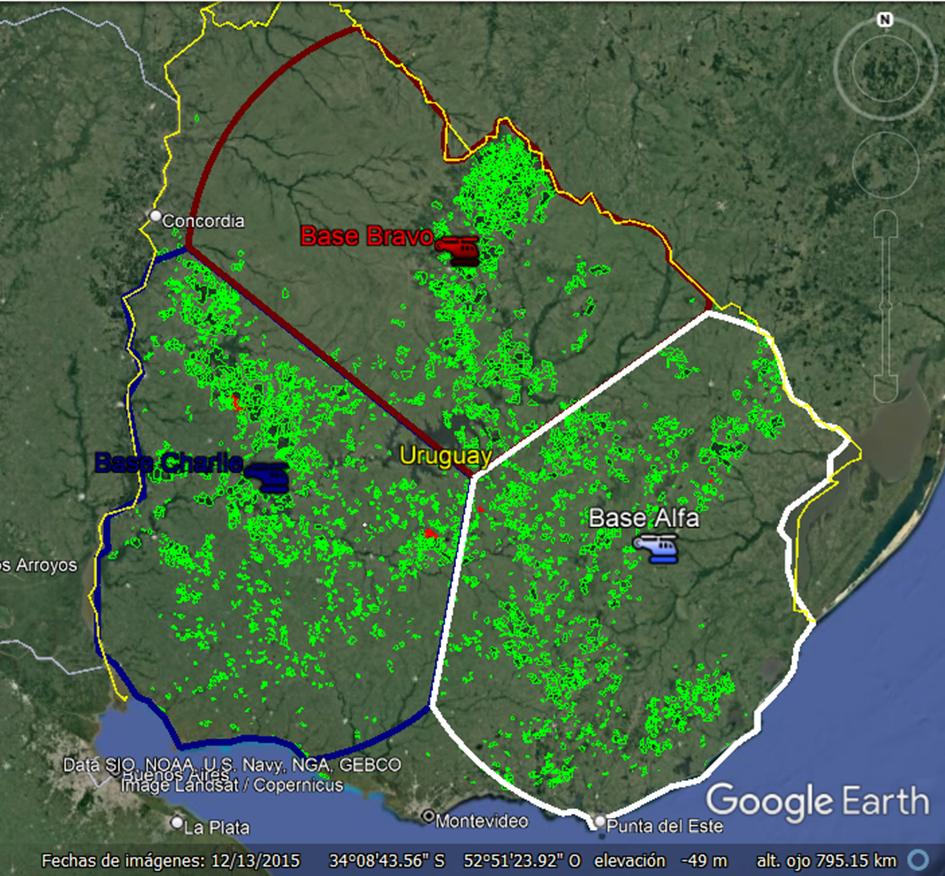
    The management of both the detection and the response and mobilization of resources, which is done with personal computer systems and means of communication that operate from the Central Monitoring and Dispatch Martin Sosa Days, located in the city of Durazno.

    Logistical problems delayed again the arrival of the helicopters, which are intended to be assets on the first of December, but that had completed the deployment until December 19.

    The atmospheric conditions have been more stringent than the two summers prior, which has been reflected in the number of foci detected as in the quantity of shipments of resources. Just as an example, it is enough to mention that the hours used combat helicopters are at 15/02 almost the same as in the two previous seasons combined.

    As always, the vast majority of the foci originate from outside of the forests, particularly the so-called “fires of roadside”, generated by recreational activities (camping, hunting and fishing), the burning of trash or grass, the fall of overhead power lines and finally the rays, which have become an important source of ignition.

    In addition to communication campaigns that are carried out, it is insisted that you must propenderse to have an attitude of careful and restrictive fire management, respecting the prohibition period of burning, which covers the period from 01 November to 30 April of each year.

    Finally, it should be remembered the necessity of the immediate notice 9-1-1 in the event of detection of any focus, and to the areas and people linked to the forest sector, the shipping WAPP al 098 FOREST (267783), the notice of fire, more location, and other information that it holds.
  • SPF year-end meeting, tribute to Martín Sosa Díaz and launch of the Forest Fire Protection Operation

    SPF year-end meeting, tribute to Martín Sosa Díaz and launch of the Forest Fire Protection Operation

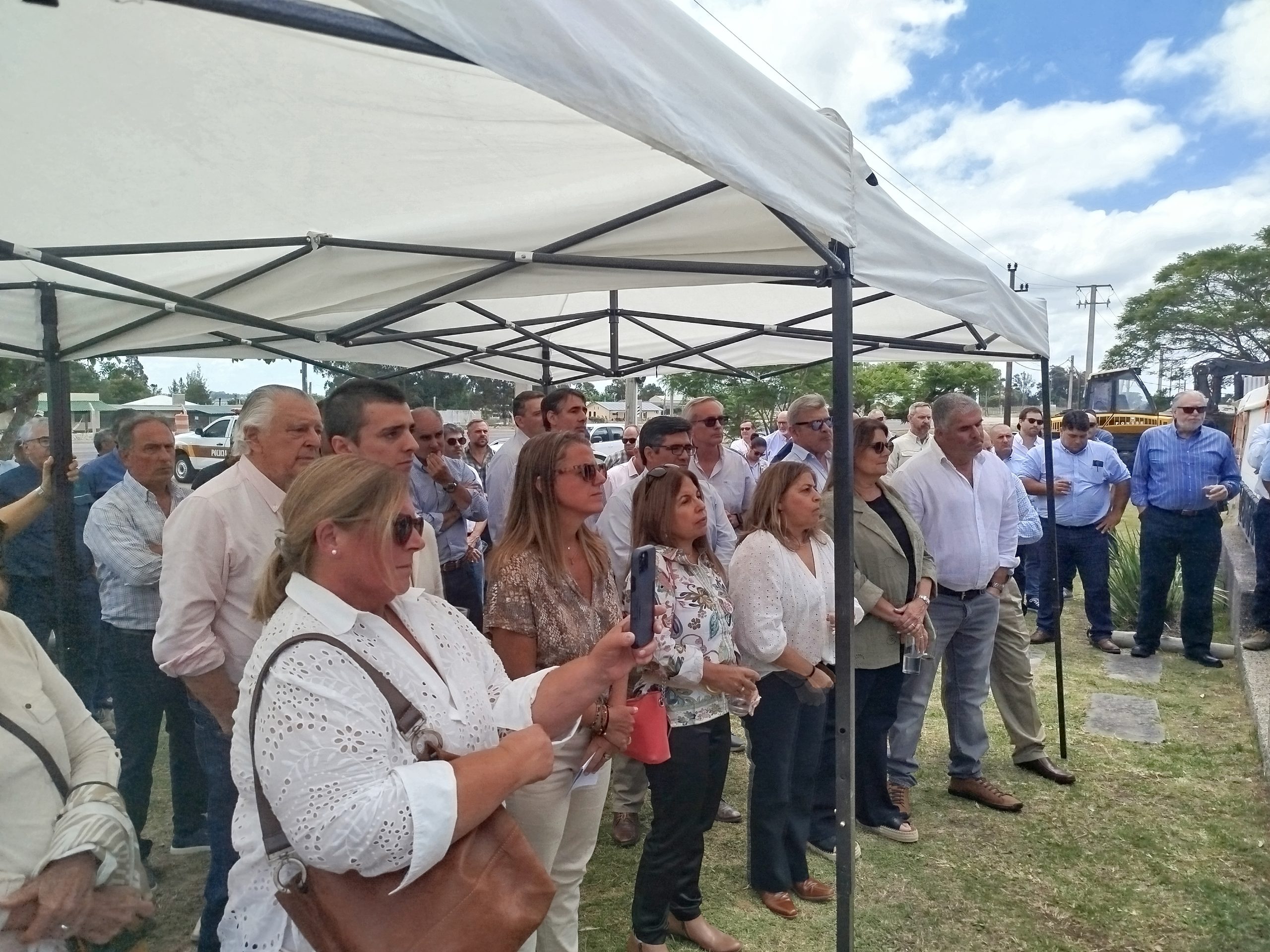
    On December 1st, the year-end meeting of the members of the Forestry Producers Society was held in Durazno, at the new headquarters of the Monitoring and Dispatch Center (CMD). This traditional gathering brought together member companies, suppliers, authorities, and associates from across the country in an atmosphere of camaraderie and reflection on the shared challenges and achievements of the year. The event coincided with the start of the Forest Fire Prevention and Control Operation (O-PAIF) and a tribute to Martín Sosa Díaz, whose name was officially assigned to the CMD.
    FOREST FIRE PROTECTION OPERATION
    As in every summer, the Forest Fire Protection Operation (O-PAIF) began the phase that includes nationwide responses in the protection of planted forests of SPF partners.
    Voluntarily, more than 100 SPF partner companies, which own 90% of the country’s commercially viable forests, agree to, implement and finance a system that protects them, with the three basic actions to prevent fires: prevent, detect and fight.
    This year, that start took place at the new headquarters of the Central Monitoring and Dispatch Center (CMD), in the city of Durazno.
    This new (rented) house allows the unification of the camera detection and management areas in a single environment, ensuring a more agile and precise work, improving dispatch times and making the situational analysis more complete, which defines the actions that, although protocolized, must pass through the filter of human knowledge and intervention.
    A heartfelt tribute was also paid to Martín Sosa Días, after whom the power plant is named.
    Martín paved the way and pushed with conviction and firmness the realization of this joint response mechanism, which distinguishes our country, placing it in a position of reference for the scope and the way in which companies support each other to face a common enemy.
    The speeches, filled with emotion and memories, were given by the president of SPF, Eng. Lucía Basso, the coordinator of the Operation, Rafael Sosa, Eng. Simón Berti, Director of Cambium and Clarissa Brugnini, wife of Martín.
    Following the ceremony, a luncheon was shared, providing an opportunity for the traditional camaraderie gathering of the association’s members and associates, who arrived from different parts of the country.

  • PAIF Operation end-of-season meeting

    PAIF Operation end-of-season meeting

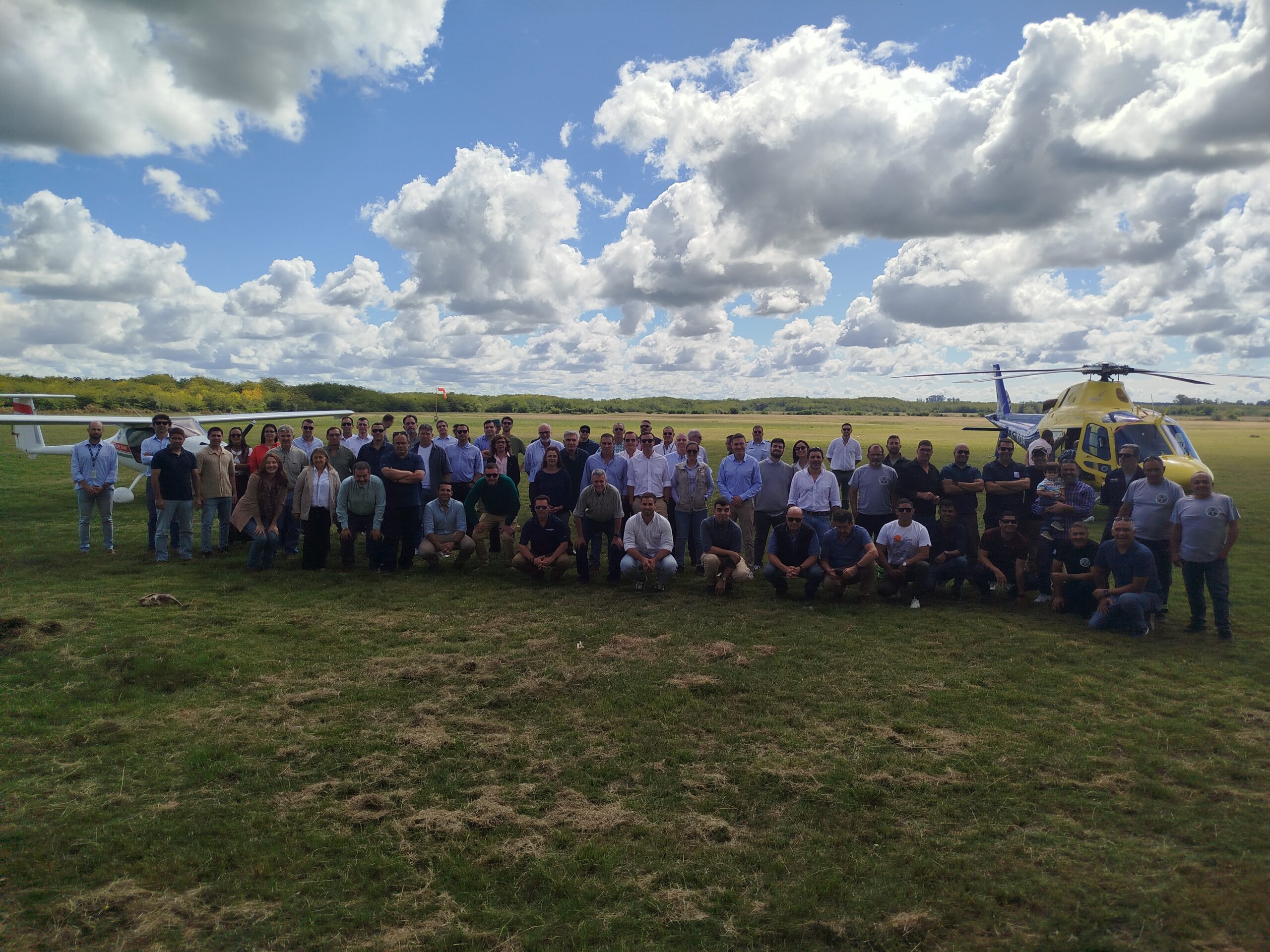
    On April 2nd, at the Aeroclub de Canelones facilities, a new edition of the traditional camaraderie meeting was held, marking the end of each season of Operation O-PIAF.

    The meeting brought together more than 80 people linked to the Operation, consolidating an instance that seeks to recognize the collective effort and strengthen the bonds between those who, many times, work with the same objective without getting to know each other personally.

    Authorities, chiefs and officers from the National Directorate of Firefighters (DNB) and the National Directorate of Civil Aviation and Aeronautical Infrastructure (DINACIA), service providers, forestry producers, representatives of companies with protected properties, coordinators and other key actors of the program participated.

    The day included a relaxed lunch, where experiences, anecdotes, and lessons learned from this and previous seasons were shared. These types of activities help foster team spirit and a sense of belonging among the participants, essential aspects for the success of an operation that, although brief, requires intense collaboration and interaction among all those involved.

    As part of the event, a helicopter and one of the aircraft dedicated to the early detection of fires were on display. Due to adverse weather conditions in the north of the country, it was not possible to have firefighting aircraft present.

    These types of spaces reinforce the shared commitment to the protection of the national forest heritage and the continuous improvement of the PAIF Operation, whose success depends, to a large extent, on the coordinated work and cooperation between institutions, companies and people.

  • 2024-25 Season of the Forest Fire Protection Operation

    2024-25 Season of the Forest Fire Protection Operation

    In December 2024, the eleventh annual operation began, in which SPF’s partner companies jointly protect their forests.

    This summer, the protected area covers 944,579 hectares, distributed across 16 departments and 3,631 forest properties. This coverage means that 89% of the planted forests have an active fire detection and rapid response system, tools that have proven to be the most effective option for preventing fires when other prevention mechanisms have failed.

    The annual cost will reach almost USD 4,230,000, which will be paid by the companies in proportion to the area they own.

    The hotspots are detected by various mechanisms, the main source being the 65 cameras with artificial intelligence, and the planes hired specifically for that task.

    The first response mechanism consists of the three usual Heliborne Brigades, complemented by some companies with fighter jets deployed mainly in the coastal, central and central-eastern areas of the country.

    The management, both of detection and of the response and mobilization of resources, is done with personnel, computer systems and means of communication that operate from the Monitoring and Dispatch Center (CMD) located in Durazno.

    This summer began after a relatively rainy spring, which meant that the delay in the availability of helicopters compared to the planned start date did not have any consequences in terms of the lack of air combat resources.

    Subsequently, the weather (although there have been some severe days in terms of heat and low relative humidity) has not shown the levels of risk of fire spread that occurred in the summers of 21-22 and 22-23.

    The outbreaks that have been fought so far have been within the “normal” range, and although prevention and the observance of a careful and restrictive attitude towards fire management must be emphasized, they have not generated alarm or out-of-control situations.

    Finally, it should be remembered that there is a need to immediately notify 911 upon detection of any outbreak, and for areas and people linked to the forestry sector, to send the report of the outbreak, plus location and other information that may be available, via WAPP to 098 BOSQUE (267783).

  • First Summit on Climate Change and Forest Fires

    On Thursday, June 26 and Friday, June 27, the conference on climate change and forest fires was held in the city of ITU, State of São Paulo, Brazil, in which specialists from different countries and international organizations in this problem, presented and debated the perspectives, ways of facing the problem and technology available and applicable to these purposes.

    Exhibitors and members of the public representing public and private sectors, plus members of academia, spoke about fire prevention and fighting, focusing on the predisposing conditions, causes and the consequences that they bring to people, infrastructure, production and the environment.

    While the realities in each country are different, as a consequence of what has been termed climate change, it is generally believed that wildfires will become increasingly larger and more devastating, even if their number may decrease. Fires occurring in the rural-urban interface are of growing concern due to the widespread trend of living in or near forests, which increases the risks if fuel is not properly managed.

    Regarding the causes, the human factor continues to be at the top of the list, followed by lightning strikes and power transmission lines.

    The importance of collaboration between the public and private sectors was emphasized, and although their priorities may differ, the work must focus on early detection and immediate response, with personnel specialized in their specific tasks. The need to consider political, physical (response), and financial aspects to achieve success was also stressed.

    On the other hand, the need for institutional strengthening was highlighted, so that the response does not depend on political vicissitudes.

    Different systems for detecting and managing outbreaks were presented, with the response being mostly public, especially in European countries, although the case of Portugal stands out, where some companies have generated a mechanism similar to O-PAIF, which is integrated into the national response system, with similar powers and coverage.

    Regarding the comparison with private initiatives, the two companies that presented their protection systems very briefly (Suzano and Eldorado) use detection and combat systems very similar to that of O-PAIF, with the adaptations that each reality requires.

    Contacts were maintained with speakers and participants, in which aspects of interest to our country were explored in depth.

    The meeting’s program included a visit to the Guarany company factory, a supplier of firefighting equipment and equipment used in other forestry tasks, plus a short course on fire cause investigation, taught at the same site.

    From Uruguay, the meeting was attended by the coordinator of O-PAIF, two technicians from Montes del Plata closely related to it, four officers from the DNB, and a representative of the aforementioned supplier.

  • End of the 2023-2024 season

    End of the 2023-2024 season

    On March 31, another summer season of O-PAIF came to an end, with the demobilization of the response with Heliborne Brigades and fighter jets.

    Regardless of this fact, monitoring continues through cameras that cover 74% of the protected properties, and the management of reported outbreaks (with notification and follow-up), from the Monitoring and Dispatch Center (CMD) located in Durazno.

    It was a summer completely different from previous ones, with a significant proportion of days with zero or slight risk, which, although they did not produce a reduction in the smoke detected, did impact the number of dispatches and hours dedicated to combating it, which had a drastic drop when compared to the two previous summers, and even to the average of the 10 seasons with national coverage.

    In that sense, and only referring to the previous season and the air assets, there was a drop to a third in the number of dispatches, to an eighth in terms of combat hours and less than half the time spent in each field operation.

    Even more drastic was the reduction of the burned area, with 15.4 hectares of protected land affected, while less than 5 hectares of plantations suffered any damage from fire.

    The major milestones of the season were the expansion to 60 of the number of detection cameras, and the change in the management of the CMD, including a reconfiguration of it that allowed the increase of workstations, improvements in equipment and network work, both internal and remote access.

    There were adjustments to the work and dispatch protocols, as well as an update to the software that unites cartographic, climatic and risk information on a single platform, with the availability of both common and company resources, which can be dispatched to address hotspots.

    More than 120 people of 3 nationalities, including DNB staff, are collaborating to prevent fires from affecting the forests of the more than 100 companies that spend more than USD 4,600,000, in pursuit of that goal.

    Additionally, last season, an investment of more than USD 1,000,000 was needed to install support infrastructure for cameras and communication equipment.

    In the previous summer (much more severe), the cost was similar, which shows that it is necessary to prepare for the worst circumstances, and that, after the hot season has begun, there is little flexibility to either reduce or increase resources.

    An evaluation phase of the past campaign began in April, involving all stakeholders, with the aim of improving and adjusting the response for the next season, in the three main areas of action: prevention, detection and combat.

  • INTERNATIONAL CONFERENCE ON FOREST FIRES

    INTERNATIONAL CONFERENCE ON FOREST FIRES

    Between May 16 and 19, the 8th International Conference on Forest Fires (held every four years) was held in Porto (Portugal), under the theme: “Towards the development of an international framework for landscape fire governance”

    The post-conference statement established that:

    “The conference discussed governance principles and guidelines, necessary to further develop institutional arrangements and policies to address the consequences of environmental and socio-economic changes and climate change on fire regimes, systemic risk of forest fires and fire management in the natural, cultural, urban-industrial and landscapes, on a global scale.

     The conference mobilized fire management experts, including policymakers, scientists, operational professionals, and technicians from around the world. As with previous conferences between 1989 and 2019, the event served as a forum for the exchange of experiences among representatives of national agencies, intergovernmental organizations, non-governmental organizations, and other stakeholders.

     The main topics of the conference included the application of governance principles, with an emphasis on Integrated Fire Management, ecosystem-based solutions, stakeholders, participation, inclusion, prevention, preparedness, response, and recovery. Speakers explained the measures that must be taken to prevent and mitigate the effects of wildfires on the environment, society, and security on a global scale, and to promote the environmentally and socially benign use of fire in land management.

     Following up on and in line with the declarations of the 6th and 7th International Forest Fire Conferences and in preparation for the Porto conference, the document “Framework for Landscape Fire Governance – Guiding principles for adjusting strategies, policies and management to global change” was prepared, circulated and discussed among experts and governmental and non-governmental institutions.

     Upon revisiting the document at the conference, participants concluded that the Framework should be taken to the United Nations and international and regional intergovernmental organizations, so that it may be formally recognized as a guiding framework for improving governance in Integrated Fire Management.

     As administrator of the International Conferences on Forest Fires, the International Liaison Committee (ILC) coordinated the development of a global declaration, shown as an outcome of each conference.

     These findings have been used to inform important UN documents, such as the Sendai Framework for Disaster Risk Reduction and the Paris Climate Agreement. In this context, the ILC can and will administer the Landscape Fire Governance Framework. Individual and organizational members of the ILC will work to secure endorsement by the appropriate UN bodies, including the Food and Agriculture Organization (FAO), the UN Environment Programme (UNEP), and the United Nations Office for Disaster Risk Reduction (UNDRR), with support from the Fire Advisory Group and the Global Forest Fire Network.

    Twelve people from our country attended, representing the different public institutions with responsibility in the area (SINAE, DNB, DGF of the MGAyp), the SPF and companies participating in the O-PAIF, as well as service providers to it.

    The conference provided a space for more than 1,300 participants to attend more than 65 presentations by over 200 speakers, 280 E-Posters were displayed, and there were 40 exhibitions of machines, equipment, and different solutions, provided by the 15 sponsors who supported it.

    In summary, the main focus was on prevention as a fundamental aspect of addressing the climate variability that affects us so greatly. Topics such as fuel management and working with communities to maintain a safe environment were highlighted and repeated in several presentations.

    Prior to the conference (on Monday the 15th), the members of the delegation related to SPF went to the city of Figueira da Foz, where they held a meeting with AFOCELCA, a group of Portuguese companies with a purpose and device of fire protection, similar to those of the trade association.

    In the cordial meeting held with the Operational Director and the Technical Operational Coordinator of that institution, it was possible to establish similarities between both operations, means and solutions used to prevent and combat forest fires, as well as discuss the importance of anticipation and preparation to avoid this scourge of our activity.

  • LATIN AMERICAN AGRICULTURAL AVIATION CONGRESS 2023

    LATIN AMERICAN AGRICULTURAL AVIATION CONGRESS 2023

    During the Latin American Congress of Agricultural Aviation 2023, organized by ANEPA (National Association of Private Aero-Agricultural Companies), in Termas del Arapey from August 16 to 18, a day of reflection, analysis and continuous improvement of the activity of fighting forest fires was carried out.

    The event included participation from SINAE (National Emergency System), the National Fire Department, the Air Force (DINACIA), Naval Aviation, the Forestry Producers Society, Montes del Plata, UPM, and, of course, ANEPA (National Association of Forestry Producers). The discussions focused on the evolution of forest fire suppression in Uruguay, the organization of the emergency response system, the unified command system, and simulation exercises.

    The various work protocol systems were presented, both individually and collectively, for which operations were carried out since the major fires of 2021-2022 in order to anticipate and improve activities with a greater number of available agricultural aircraft.

    Analyzing the changes implemented since then and the collaborative efforts, previous fire prevention activities were reviewed. The firefighting efforts carried out during the 2022-2023 season and the success achieved were evaluated, particularly in the coastal area, where the efficiency and effectiveness of using agricultural aircraft in fighting forest fires were evident.

    It is not yet possible to quantitatively assess the achievements, due to the nature of the combat, which is fast and highly effective, and which, together with the early detection systems, prevented the fires from spreading.

    ANEPA continues to constantly evaluate and train its companies and pilots, bringing advanced technology and perfecting what is here, every day of the year throughout the country, with a unique fleet of more than 100 aircraft.

    The challenge is to continue working as a team and improving together every day.