Category: Communication

  • “Stories that take root”: the book that gives voice to the Uruguayan forestry sector

    “Stories that take root”: the book that gives voice to the Uruguayan forestry sector

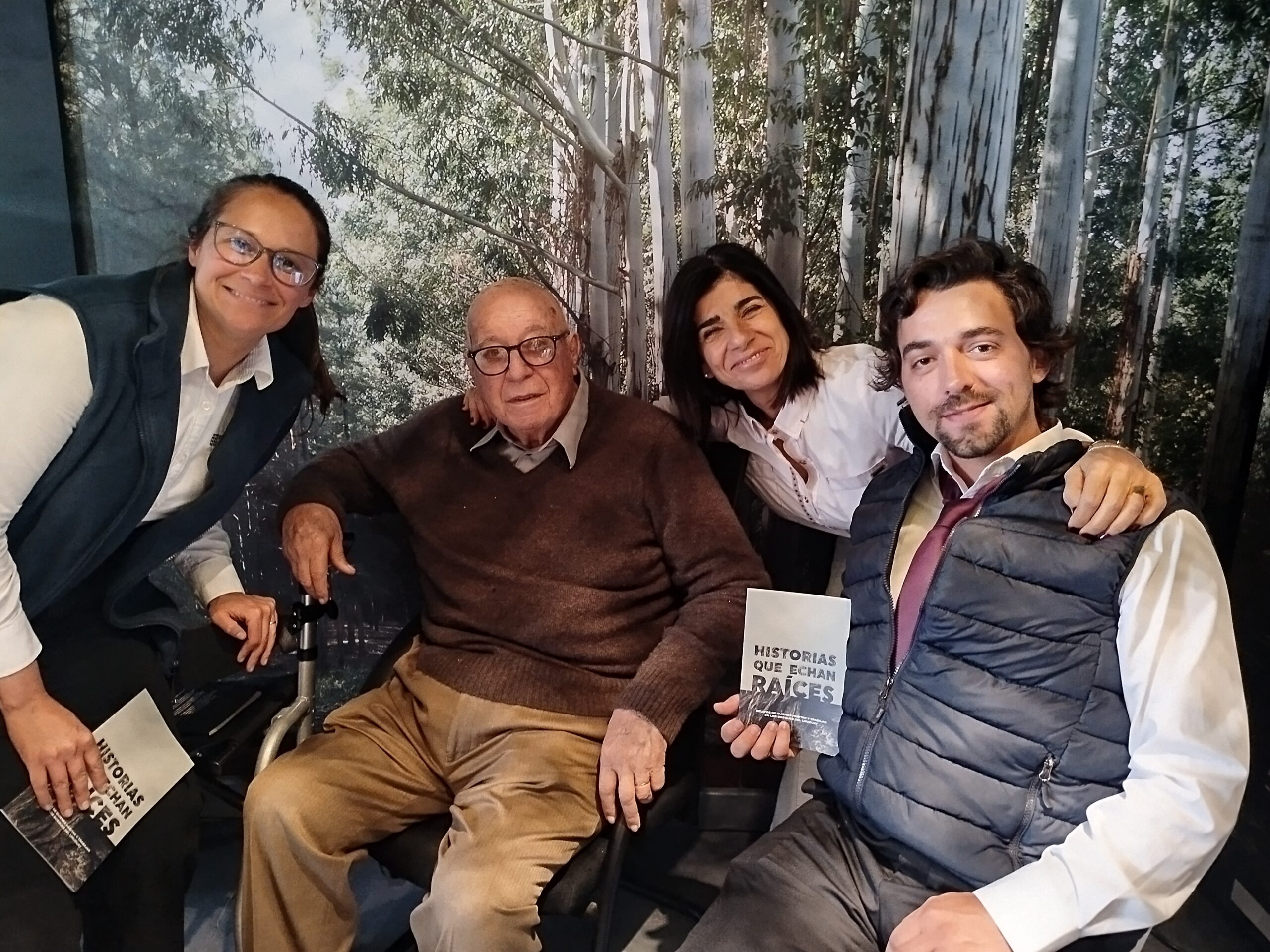
    The Uruguayan Forestry Producers Society (SPF) and PEFC Uruguay officially launched “Stories That Take Root,” a book that compiles 15 true stories of men and women connected to the forestry sector in Uruguay. The launch took place during Expo Prado and included interviews conducted by journalist Yisela Moreira, who spoke with three of the protagonists: Mariana Villemur, Pablo Diano, and Lorenzo Balerio.

    The book originated from the “I Am a Forester” campaign, in which workers submitted their testimonials to share how forestry impacted their lives. The selected stories reflect a diversity of paths and dreams, and include the voices of:

    Sergio González
    Luis Rafael Normey
    Lorenzo Balerio
    Sebastian Arbeletch
    Cristian Darío Aruel López
    Gonzalo La Porta
    Yohana Rodríguez
    Mario Silvera
    Pablo Domínguez
    Gabriela Rodríguez
    Mariana Villemur
    Sabrina Luengo
    Emilia Ferreira
    María del Carmen Portela
    Pablo Diano
    Among the stories highlighted are, for example, that of Sebastián Arbeletch, who started as a driver in the construction of the Montes del Plata plant and, more than a decade later, continues to grow within the company; that of Yohana Rodríguez, who found in forestry an opportunity for professional development in her community; or that of Mario Silvera, who proudly recounts how working in the fields strengthened his family’s well-being.

    The publication was printed on PEFC-certified paper, reaffirming the sector’s commitment to sustainability, and is available free of charge at SPF offices.

    With Stories that Take Root, the Uruguayan forestry sector showcases not only its productive and environmental contribution, but also its human value: faces and experiences that, together with the forests, take root throughout the country.

  • Dissemination Day of the National Plan for the Fight against Ticks

    Dissemination Day of the National Plan for the Fight against Ticks

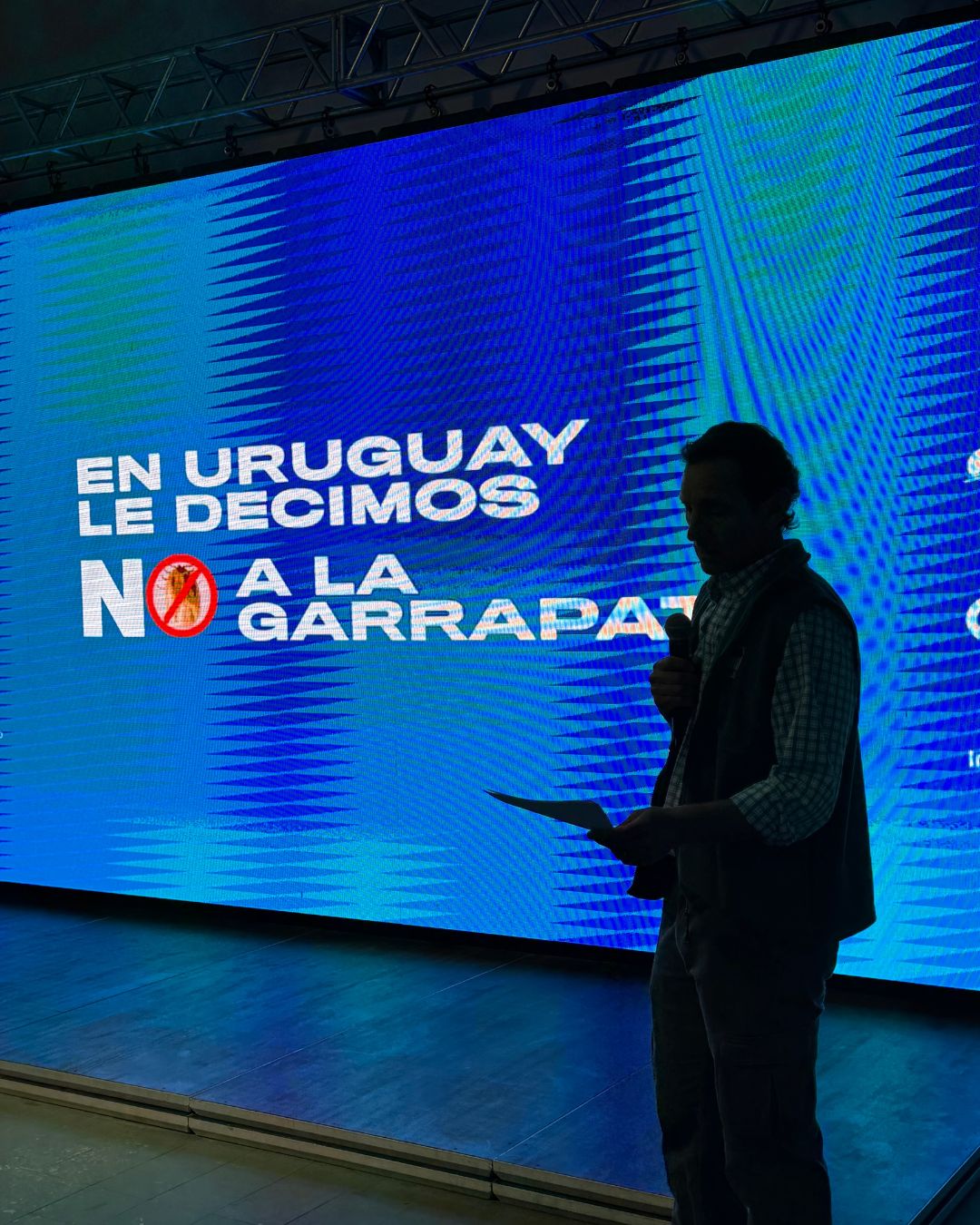
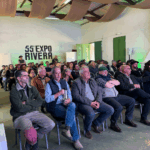
    On Friday, September 12, 2025, a day of dissemination of the National Plan to Combat the Tick was held at the premises of the Rural Development Society of Rivera.

    The activity was organized by the companies COFUSA, Forestal El Arriero, Forestal Oro Verde, Forestal Río de los Pájaros and LUMIN (all members of the Society of Forest Producers), together with the Directorate of Livestock Services, through its Animal Health Division of the Ministry of Livestock, Agriculture and Fisheries, and the Agricultural Planning Institute.

    This initiative arose from the commitment of forestry companies to livestock production on their land, promoting responsible health management that effectively contributes to the fight against ticks.

    The following presentations were given during the day:

    Rafael Carriquiry, a veterinarian and Master of Agricultural Sciences, member of the Agricultural Planning Institute, opened the day with a presentation entitled: “New and old approaches to tick control in livestock breeding systems”.

    Representing the Ministry of Livestock, Agriculture and Fisheries were veterinarians Carlos Fuellis (National Director of Animal Health), Diego de Freitas (Departmental Director of Livestock Services) and Pablo Aramburo (tick expert for the Rivera department), who presented on the current tick situation in the department and detailed the guidelines of the National Tick Control Plan

    Agustín Correa and Matías Machado, graduates in Biochemistry and PhDs in Biological Sciences, researchers at the Pasteur Institute of Montevideo, presented the progress and perspectives of “National development of a vaccine against the cattle tick”.

    Finally, Mr. Nicolás Correa, a livestock producer, shared his experience in tick management, accumulated over 25 years of working with breeding herds on forest properties in the department of Rivera.

    The day concluded with a question and answer session, where participants were able to exchange concerns and clarify doubts about the topics covered.

    It is important to highlight the value of these types of events, which bring together producers, technicians and authorities around a common goal: to move towards healthier and more sustainable livestock farming within forest systems.

    The event was highly successful, with the participation of more than 130 rural producers who carry out their livestock activity on forested properties in the departments of Rivera and Tacuarembó.

  • Forest Breakfast 2024

    Forest Breakfast 2024

    If forestry advances by 3% in Uruguay, contributions to GDP would grow by US$2.4 billion

    Source: El Observador

    If the forested area in Uruguay were to increase to 9% of the territory, there would be an additional contribution of US$2.4 billion to the GDP, it was highlighted at the 2024 Forestry Breakfast

    If forestry in Uruguay were to advance to 9% of the territory, there would be an additional contribution of US$2.4 billion to the Gross Domestic Product (GDP); US$1.9 billion more from exports; and an extra US$110 million for public coffers, highlighted Lucía Basso, president of the Society of Forest Producers (SPF), at the Forestry Breakfast 2024.

    The comment, which was framed within a sort of exercise he proposed to illustrate the impact of the sector, was made during his welcoming speech at the 6th Forestry Breakfast, held this Tuesday, September 17, at the Radisson Victoria Plaza, in Montevideo.

    Basso, a forestry agronomist, mentioned these data as part of a set of additional achievements beyond the current ones that would be established with an increase in the forested area, and she did not only allude to economic benefits, as will be detailed later.

    “Towards the future of forestry” He pointed out, in this regard, that to sustain what has been achieved and grow it is essential to consider three aspects: “That the rules are clear, consistent, non-discretionary and based on objective technical criteria; “streamline the times and prevent bureaucracy from becoming an obstacle”; and “continue improving our infrastructure.”

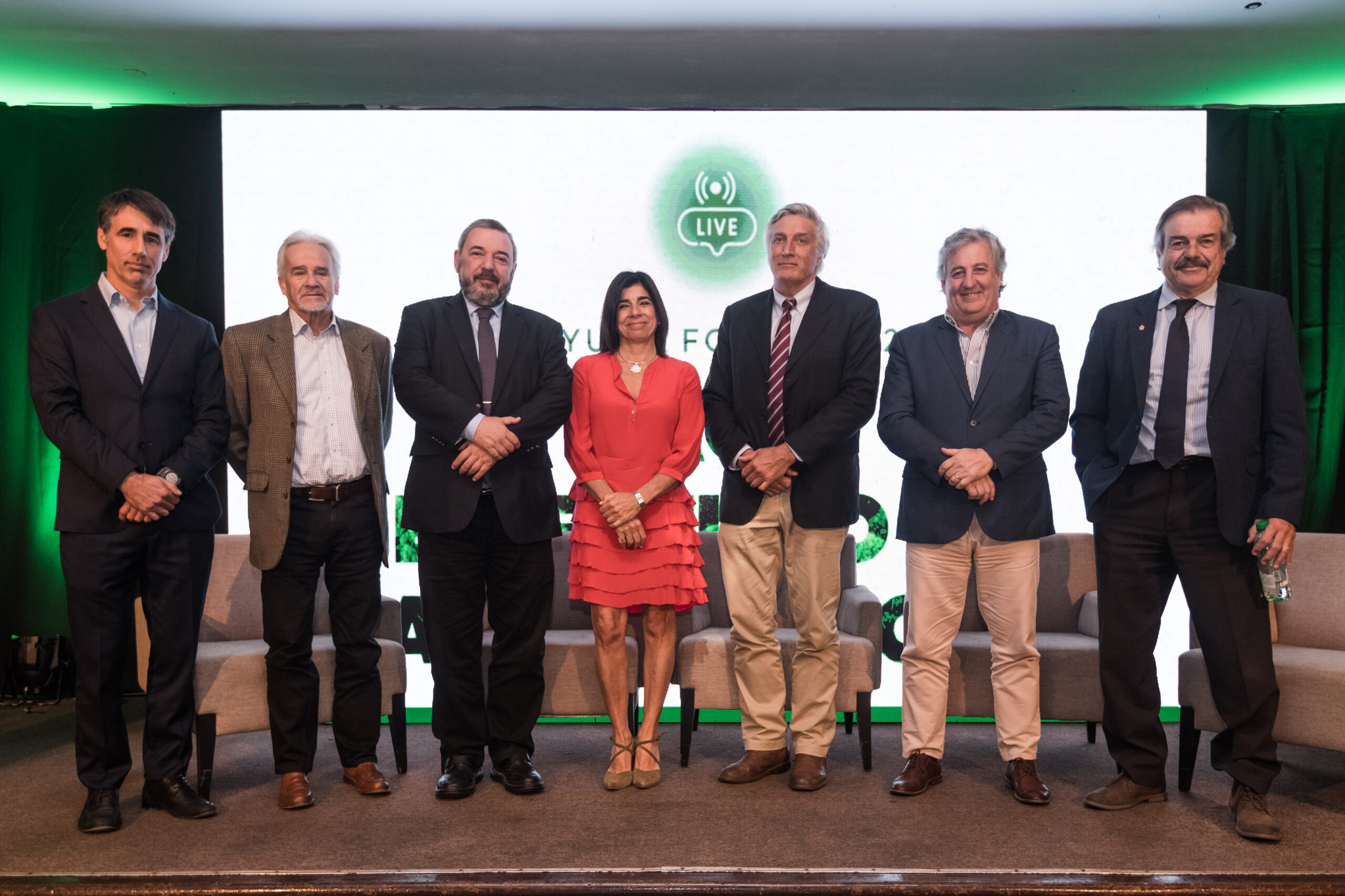
    The 2024 Forestry Breakfast was titled “Towards the future of forestry” and its distinctive feature was the presence and presentation of the agricultural advisors of the political parties with parliamentary representation who will participate in the October elections: Conrado Ferber, for the National Party; Carlos María Uriarte, for the Colorado Party; Mario Bergara, for the Broad Front; Gonzalo Brum, for Open Cabildo; and Carlos Sammarco, for the Independent Party.

    Also participating was economist Ignacio Munyo, executive director of the Center for Studies of Economic and Social Reality (Ceres), who updated the data from a study on the evolution of the sector, from the 1980s, when the Forestry Law was established, to the present.

    Incidentally, the value of the Forestry Law and the relevance of the State policy sustained during the eight consecutive governments since the resumption of democracy in Uruguay were aspects praised by Basso, who stated that the forestry sector “is positioning itself as the main exporter of goods in Uruguay”, with a firm course towards US$ 3 billion a year.

    “More than 30,000 people and 1,800 SMEs across the territory work professionally, with commitment and with true passion for what they do,” he emphasized.

    Leading sector in exports After Basso’s presentation, economist Munyo, in the conclusions of the updated Ceres study on the forestry sector, stated that it is already the main export sector of goods.

    They brought in US$2.761 billion in the last 12 months, up to August 2024, 22.2% of the total and ahead of beef and meat by-products – with US$2.542 billion and 20.5% of the total – he reported.

    He added that there are, in that sense, additional opportunities for expansion, especially in the solid wood segment, with a high impact on the economy.

    Regarding sustainability, the CEO of Ceres said that there are advantages to coexisting with livestock farming, multiple examples of circular economy, and international regulations and certifications that ensure sustainable practices.

    Regarding tax contributions, he noted that currently, throughout the entire production chain, forestry for the production of cellulose and sawmills, together with dairy farming, are the sectors that pay the most taxes in relation to the hectares allocated to production.

    Finally, when considering the challenges, he stated that there are challenges due to automation, which requires continuous training and specialization of human capital, as well as the incorporation of technology and problems of competitiveness and port tariffs.

    One fact highlighted by Munyo, who even mentioned that the plaque was ideal to leave visible throughout the day, was the sector’s participation in GDP, which in Uruguay was barely perceptible -0.2%- in 1994 and far from the then 4.5% of a benchmark like Sweden, data that today are at 3.5% for Uruguay and 3.1% for Sweden, while Argentina, for example, remains at 0.1% despite the passage of some 30 years.

    This, he emphasized, was made possible by long-term public policies and tax incentives at the outset; institutional stability over time; security and confidence to attract investment; and the participation, precisely, of recognized international investors.

    Basso: a “totally positive” assessment. When asked by El Observador about the activity carried out, Basso expressed that “the assessment is totally positive, it was an objective achieved for us.”

    He explained that the SPF was “very” interested in having representatives from all political parties attend “and so it was, it was difficult but it was achieved.”

    The importance was based on “providing them with first-hand, up-to-date information on all issues in the sector and allowing them to express their views and proposals.”

    “All of that was fulfilled and fulfilled well. We saw that in general they were very well prepared and they provided us with input that, for us as a sector, as a society, as a trade association, is very useful,” he stated.

    She noted that there were comments related to the three points she cited in her speech – clear rules, bureaucratic delays, and infrastructure – that either reaffirmed what the SPF maintains or provided constructive elements to be considered “when continuing to work on and improve these crucial challenges that, as we mentioned, lie ahead.”

    On the other hand, regarding Munyo’s presentation, the president of the SPF commented that “as he himself said, this work was based on real data, not on estimates as on the previous occasion, and from the first graph he was very illustrative, he really showed where the sector stands, why it is the leading sector of the economy, what its growth has been based on, its prospects, for example he clearly illustrated the issue of the tax burden which, as you know, is something that is always being blamed on us and with this work the truth was shown, with the numbers from the DGI, so that’s how it is.”

    In short, Basso concluded, “the outcome of this Forestry Breakfast is very positive; we obtained very good input and at the same time made a good contribution to the political system in preparation for the next government. Very good information was provided to the agricultural advisors of the presidential candidates, and we are very happy and very grateful for the support we received.”
  • Omar Urioste (1930 – 2024)

    Omar Urioste (1930 – 2024)

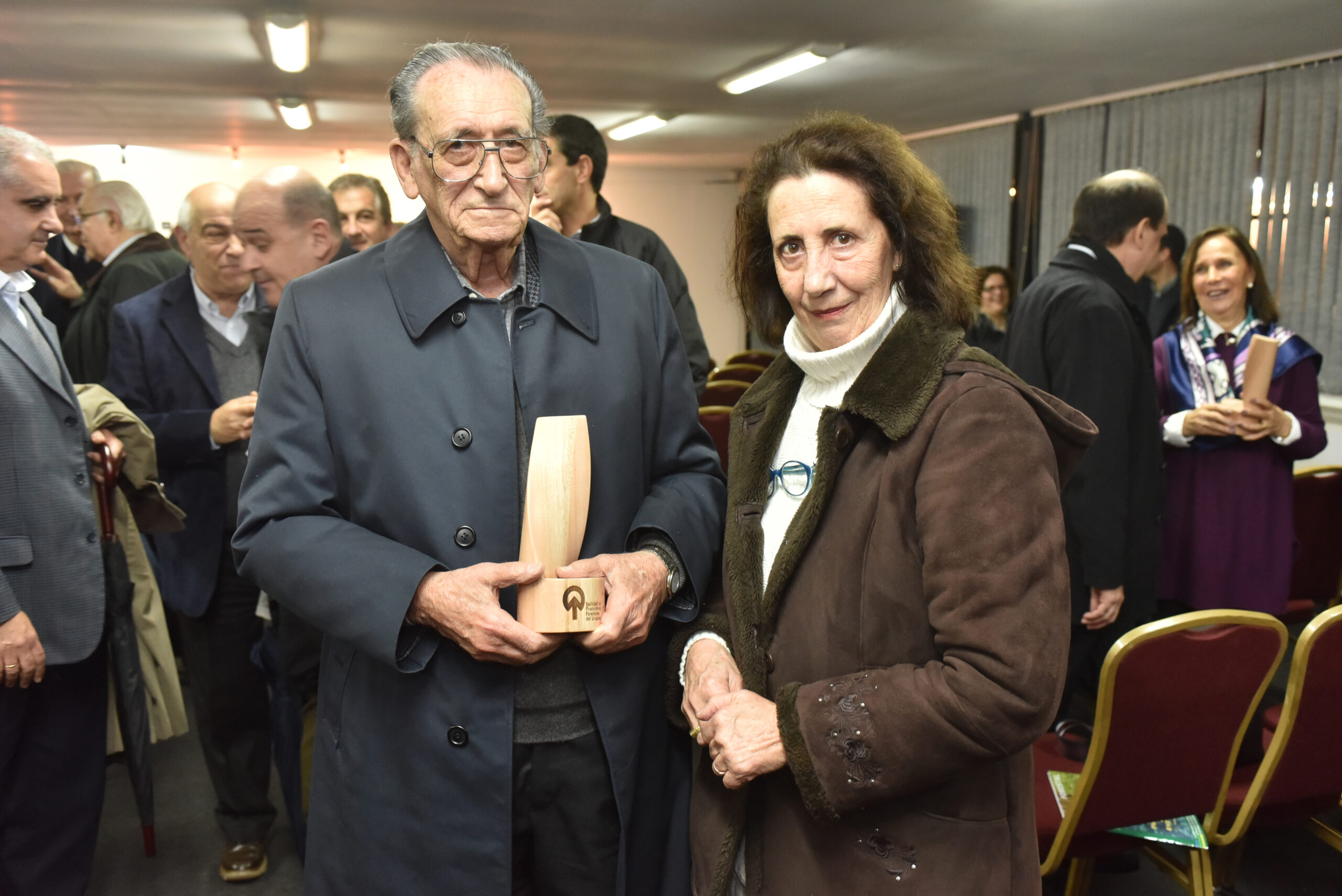
    Following the recent passing of Omar Urioste on August 12th, the Forest Producers Society wishes to remember him with these words from Agricultural Forestry Engineer Rosario Linares Silveira, a member of the SPF Fiscal Commission.

    I met Mr. Omar Urioste in the late 1980s. At that time, he was one of the few Uruguayans with experience in forestry. He planted trees on his property from a very young age alongside his father as windbreaks for the cattle, and, starting in 1975, he began planting trees with the aim of producing timber.

    When Uruguay was just beginning to consider that forestry production could be a way to improve the yield of our lands, Mr. Omar Urioste already knew, through his work, the possibilities of forest sites and how the tree species he managed developed in those sites.

    I was fortunate to work on research projects that he sponsored, putting his forests and his experience at their service; thus, valuable foreign technicians such as Evan D. Shield and Roderick Hansen visited him and shared with him instances of great importance for the forestry progress of Uruguay.

     I started working with him in the 1990s and continued to do so until this date, when with great regret we have to say goodbye to him.

    He was one of the most generous people I’ve met throughout my professional career when it came to sharing his knowledge and experience. He was always willing to listen to new theories, and if they seemed logical to him, he would put them into practice, but never without first discussing them and convincing himself of their applicability.

    As his Forestry Engineer for the past few years, he left my field visits entirely in my hands, but upon my return, the report had to be in writing, and after he had read it, I had to defend it at his desk. I’m not exaggerating when I say that I already miss our forestry meetings in his office, which were always filled with experiences and anecdotes about forestry, agricultural and livestock production, and the country’s political life.

  • Certification of Agricultural Export Products

    Certification of Agricultural Export Products

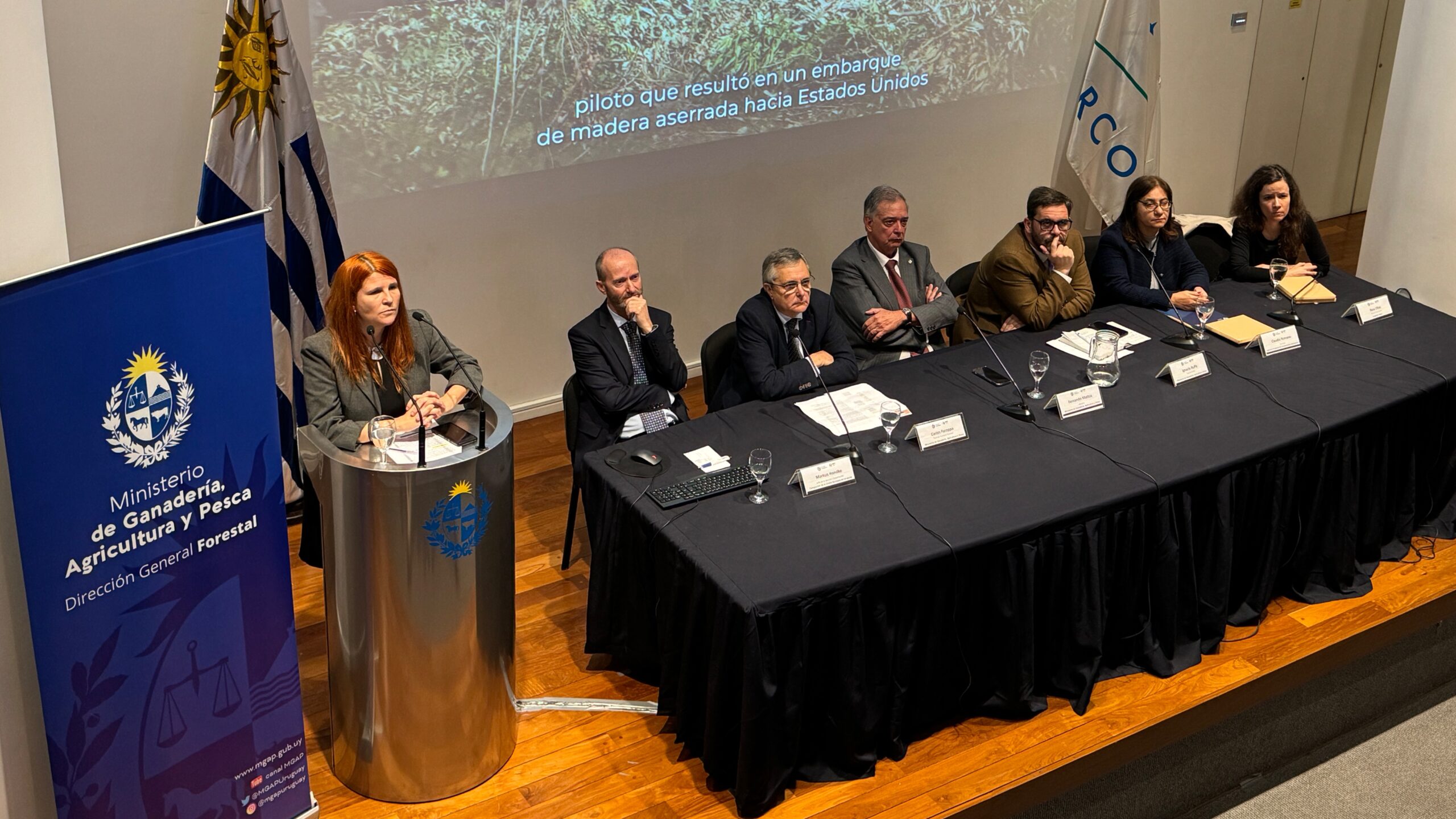
    With the presence of several authorities from the institutions that participated in the cooperation project “Certification of agro-exportable products produced under sustainable management of native forests in Uruguay”, the closing ceremony was held on June 18.

    During the day, presentations were given by the European Union delegate in our country, Markus Handke, the Manager of AUCI, Claudia Romano, the Minister of Livestock, Agriculture and Fisheries, Fernando Mattos and the Forestry Director, Carlos Faroppa, among others.

    This activity is part of the implementation of Regulation 1115/2023, a European regulation to prevent deforestation.

    Then there were talks where information was provided on the EUDR Regulation, the documents and requirements necessary for the shipment of agricultural export products to the European Union and two pilot export experiences were presented, one from the company Forestal Caja Bancaria and the other from Maderas del Uruguay.

    More details about the event at This link


  • Training in future prospects for the electromobility sector

    Training in future prospects for the electromobility sector

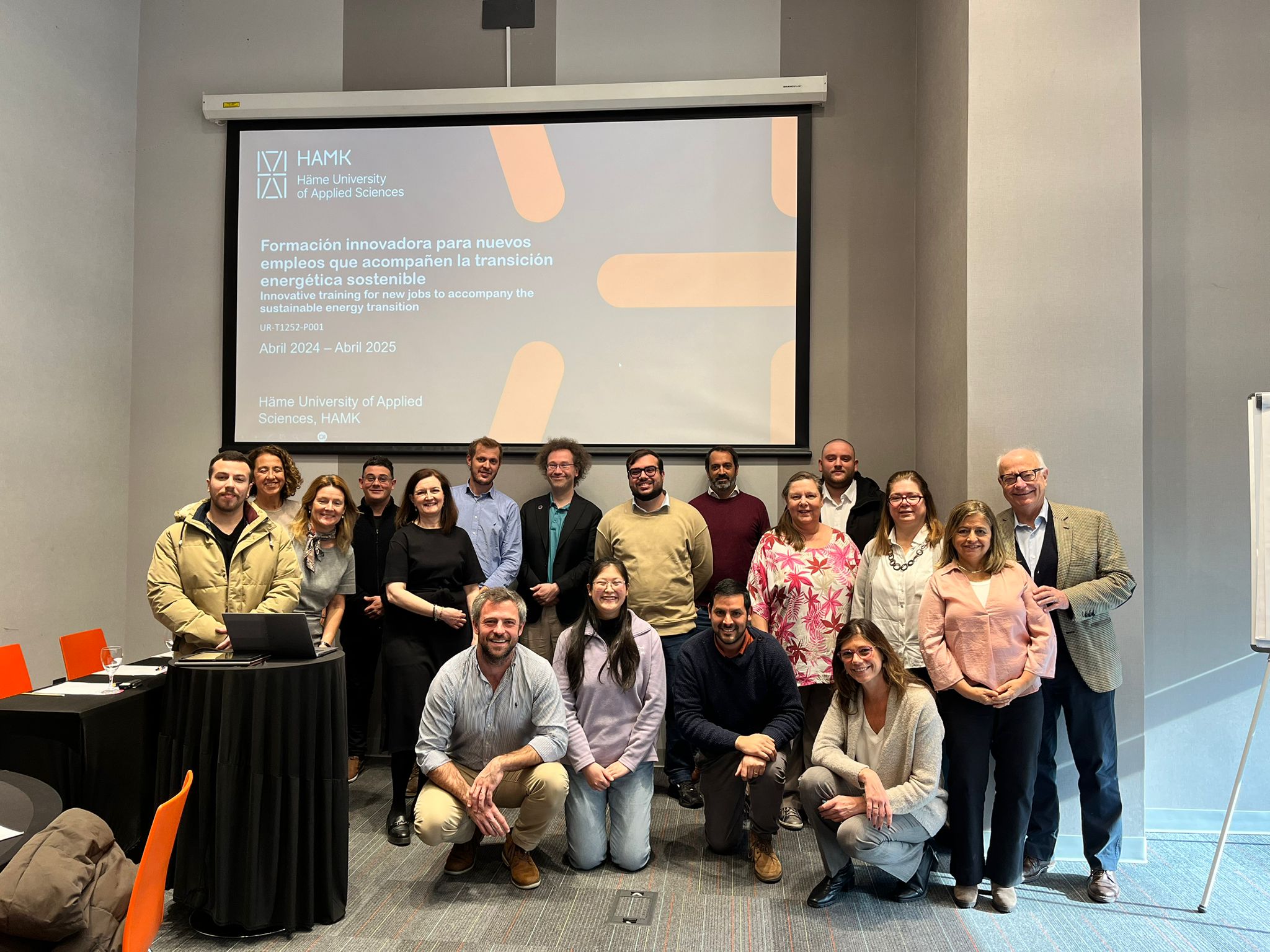
    On Monday, May 20, the SPF attended one of the working sessions within the framework of the project carried out by Hamk University for training in foresight for new jobs that accompany the sustainable energy transition.

    Both the SPF and members of the IDB shared their perspectives after participating in the Forest Foresight course. For both institutions, training is a fundamental pillar in the development of individuals and, consequently, in the development of their respective sectors.

    It is essential that this training fosters an exchange between the business and education sectors, with each contributing their experience and expertise on the subject. That is why the SPF supports these initiatives.

  • SPF STATEMENT on rural roads

    SPF STATEMENT on rural roads

    The Forestry Producers Association shares the concern regarding the state of rural roads, which led the government to declare a national road emergency. Unfortunately, in recent days we have witnessed the Paysandú Municipality’s arbitrary stance toward the forestry sector regarding road use. The condition of roads and national highways is an issue that affects all agricultural production without exception and requires solutions that address everyone’s needs.

    In 2023, the member companies of the Forestry Producers Association operating in Paysandú and the Paysandú Departmental Government agreed on a framework for collaboration to improve the coordination and monitoring of forestry transport activities, as well as the maintenance work already being carried out by the companies on rural roads. Specific agreements were also reached for improvements to certain sections of the main road corridors, with the necessary investment from the forestry companies. To date, the commitments made by the forestry companies have been fulfilled.

    It is worth noting that, of the total road network in the department of Paysandú, less than 15% are used annually by forestry companies, which shows the importance of seeking a comprehensive solution for the entire agricultural sector.

    We understand that the possible application of restrictive regulations without clear criteria and that would apply to a single productive sector would not solve the structural problems and would harm a thriving sector that generates thousands of permanent jobs, invests very important amounts in roads and is a decisive contribution to the country’s economy.

    We hope the departmental government understands the potential impact of this regulation on the agroforestry production chain. We trust in dialogue and the search for solutions that provide predictability for everyone, and that we can continue working together for the development of the department and its people.

  • CERRO LARGO CREATES A COMMISSION

    CERRO LARGO CREATES A COMMISSION

    June 25, 2019

    It will be multi-party and supported by the Treinta y Tres Board.

    In the departments where the new UPM plant could be located, political actors are striving to attract investment that could boost the economy of sparsely populated areas in need of jobs.

    In Cerro Largo, at the initiative of the Departmental Board’s Livestock Commission, a multi-party commission was formed to meet with UPM executives. The Treinta y Tres Departmental Board also unanimously approved a document in a recent meeting regarding the location of UPM’s second pulp mill in the country. Councilman Javier Suárez, from the Treinta y Tres Departmental Board and a resident of Santa Clara de Olimar, stated that the document prepared by the council members aims to “offer the company concrete arguments and advantages to consider when deciding on a location for the mill.”

    “We requested a meeting with authorities from the Ministry of Industry, Energy, and Mining, and we will be received in the first days of August. At that meeting, we will present the position of the entire legislative body to both the company and the Executive Branch,” he stated. “Cerro Largo, and specifically Paso de Pereira, has the largest forested area in this region. There is ample water in the Negro River, a UTE (Uruguayan state-owned electricity company) pressure reducing station, and the train station and tracks in Santa Clara,” he explained. “Since Treinta y Tres has no chance, we support Cerro Largo because if our objective is achieved, our population will benefit from the jobs due to its geographical proximity,” Suárez indicated.

    Today in Cerro Largo, a multi-sectoral commission “pro-UPM in the region” will be formed. There is reportedly unanimous agreement to draft a document similar to the one prepared by Treinta y Tres. The commission will be composed of Mayor Sergio Botana, and Representatives Luis Fratti (Broad Front) and José Yurrumendi (National Party). It will also include two councilors from each party and the mayors of the ninth electoral section of Cerro Largo, which encompasses the town of Arévalo and the Paso de Pereira area.

    Studies conducted by the municipality indicate that both the government and the company itself would achieve savings in freight and infrastructure costs if they chose Cerro Largo. “We want this department to benefit from this because the Paso de Pereira area is impoverished and faces enormous challenges in generating employment, lacking infrastructure such as roads, energy, knowledge, and communication. This will be beneficial for them,” he added.

    Paso de Pereira is located on the Negro River. It has a ferry that allows the population to cross from one side of the river to the other.

    Susana Montaner, a Colorado Party representative for Tacuarembó, issued a statement highlighting her party’s role in approving regulations that promoted reforestation and called for environmental protection if the plant is ultimately installed in the area.

    Fountain: http://www.elpais.com.uy/informacion/cerro-crea-comision-pro-upm.html

  • FORESTRY: CHINA EXPRESSED INTEREST IN PURCHASING URUGUAYAN PINE PRODUCTION

    FORESTRY: CHINA EXPRESSED INTEREST IN PURCHASING URUGUAYAN PINE PRODUCTION

    June 25, 2019

    The Minister of Livestock, Agriculture, and Fisheries, Tabaré Aguerre, reported from China that the country has expressed interest in purchasing Uruguayan pine wood. Authorities from the Asian nation highlighted that Uruguay has 180,000 hectares of this species, a favorable track record in large-scale reforestation, and intensive eucalyptus production balanced with the protection of native forests.

    On Friday the 21st, at the meeting that brought together Minister Aguerre and a delegation of authorities and businessmen with representatives of the State Forestry Agency of China, the Asian representatives valued and recognized the protection of native forests in Uruguay, along with the development of artificial afforestation for the industry —cellulose, boards and roundwood—.

    “It also enabled the installation of two pulp mills and another one is in the process of being installed, with the largest investment in Uruguay’s history,” Aguerre said in a telephone interview with the Institutional Communication Secretariat.

    Within this context, Chinese officials presented the possibility of exporting pine wood. Aguerre highlighted this opportunity. “Uruguay has 180,000 hectares of pine forest, which is more than enough for our current timber production capacity. Currently, pine is a surplus raw material because short-fiber pulp is made from eucalyptus,” he stated.

    He also stated that in China he received expressions of interest regarding what he defined as “agro-smart Uruguay”: soil management, balance in agricultural, livestock and environmental production.

    According to the minister: “With China we can be complementary for many years and it is very important for us to use the strategy of technical cooperation managed jointly with trade facilitation.”

    “We are concluding a process that is routinely carried out in the ministry through the working groups established by the International Affairs Unit with the agribusiness sectors. We must facilitate market access for Uruguayan products during the lengthy negotiation process for market approval,” he stated.

    “Having excellent relations, a climate of permanent dialogue and a cooperation agreement with the Ministry of Agriculture is an important area for cooperation, strengthening and improvement of a growing commercial relationship,” he stated.

    In that regard, he commented that now comes the stage in which, in addition to gaining sanitary access and starting the free trade agreement process to reduce the tariffs paid on export products, the stage of differentially positioning Uruguayan products in the Chinese market must begin.

    The delegation will remain in China until Wednesday the 26th. The official agenda includes a visit to a farm with an irrigation system, a meeting with the top authority of the Chinese food company Cofco, with the State Grain Administration and with the local Minister of Water Resources.

    Fountain: https://www.presidencia.gub.uy/comunicacion/comunicacionnoticias/aguerre-china-forestacion

  • UPM INVESTED MORE THAN US$15.5 MILLION IN THE WALKWAY

    UPM INVESTED MORE THAN US$15.5 MILLION IN THE WALKWAY

    June 25, 2019

    The investments made in 2015 included the construction of 553 kilometers of wooden bridges and railway lines.

    The company UPM invested approximately US$14 million in road construction during 2015, plus an amount exceeding US$1.5 million in the construction of wooden bridges in rural areas, as part of an annual investment policy for the recovery and reconditioning of roads and road communication solutions, the Infrastructure and Logistics Manager, Mauro Real de Azúa, told El Observador Agropecuario.

    He explained that the company built 553 kilometers of roads last year on its own properties and those of producers associated with the Development Program to ensure adequate transport of their produce. The use of new technologies has allowed for the creation of better roads.

    Three years ago, the company introduced a new system called Cement Road Stabilization, a technology that has yielded excellent results on strategic roads. This allows the company’s fleet of trucks to travel these roads regardless of weather conditions.

    Synergies

    Furthermore, public-private partnerships have been a valuable tool for improving logistics and completing important projects in the interior of the country, such as the construction of wooden bridges, Real de Azúa indicated. The bridges, built with red eucalyptus wood, are located in Paso del Billar (Durazno), Pablo Páez, and Cañada Brava (Cerro Largo).

    The bridge built in Paso del Billar, over 180 meters long, has connected the community of Arévalo with other urban centers that were previously isolated, and has shortened distances in forestry operations. This has resulted in significant logistical savings, reducing the distance for transporting timber to the Fray Bentos pulp mill by up to 60 km.

    Other notable projects included the repair of the section of Route 4, which was refurbished in agreement with the Ministry of Transport and Public Works (MTOP) and the Paysandú Municipality, with a view to the inauguration of the Santana Nursery, and the construction of the bypass in Paso de los Mellizos, in Río Negro, improving the quality of life of the populated centers of the area.

    Collection centers

    The company also has intermediate collection centers in Río Negro, Tacuarembó and Durazno, which operate as wood reserves that guarantee a constant supply to the UPM Fray Bentos pulp mill, even in rainy seasons, preserving the roads and avoiding the circulation of heavy cargo in the forests and rural roads in those circumstances.

    The use of double-trailer trucks results in less road deterioration.

    In addition, double-trailer trucks (bitrains) are used, which, thanks to their configuration, allow for the transport of a greater quantity of timber, generating less impact on road deterioration due to the technology employed and the reduced number of trips. This also results in a decrease in carbon emissions. During 2015, of the 259 trucks that transported timber for the company, 29 were double-trailer trucks, which carried 27% of the total timber volume.

    With the same objective, UPM is developing a multimodal river-sea timber transport plan from the port of La Paloma to the Fray Bentos terminal, destined for the UPM plant. In 2015, 50 trips were made by ship, which represented a saving of 5,000 truck trips between Rocha and Fray Bentos.

    For nearly 10 years, UPM has implemented a road safety program to promote responsible driving, knowledge of traffic laws, and traffic safety for everyone associated with the company. This program includes training courses and workshops in conjunction with private companies. The company’s timber fleet has maintained an accident rate well below the international average, promoting safe transit, said Real de Azúa.

    In 2015, UPM introduced a new fleet tracking system to monitor on-route behavior. In the first few months of implementation, speeding violations were reduced by more than 90%, and route tracking violations by 60%.

    Fountain: http://www.elobservador.com.uy/upm-invirtio-mas-us-155-millones-la-camineria-n919630